
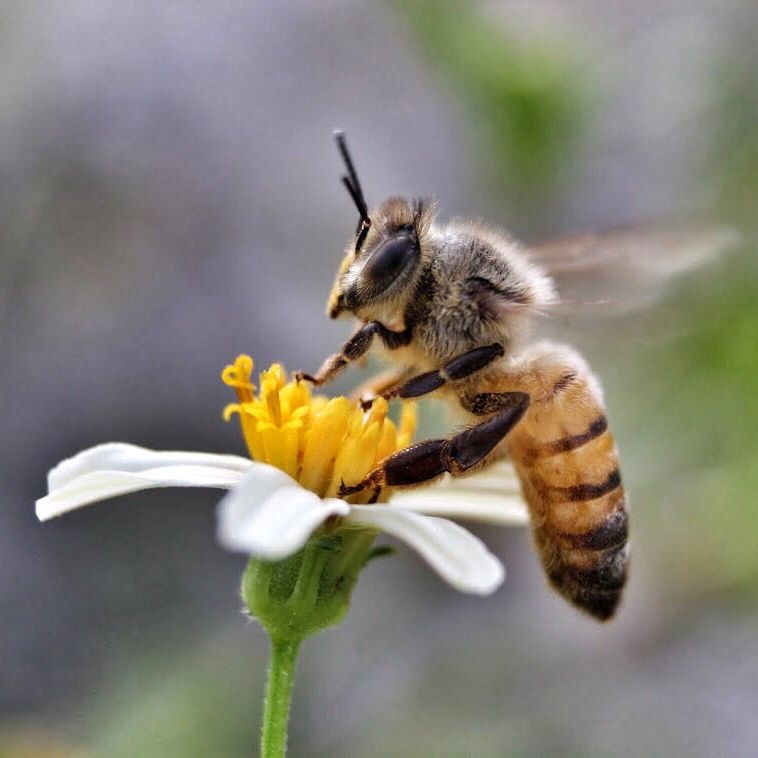
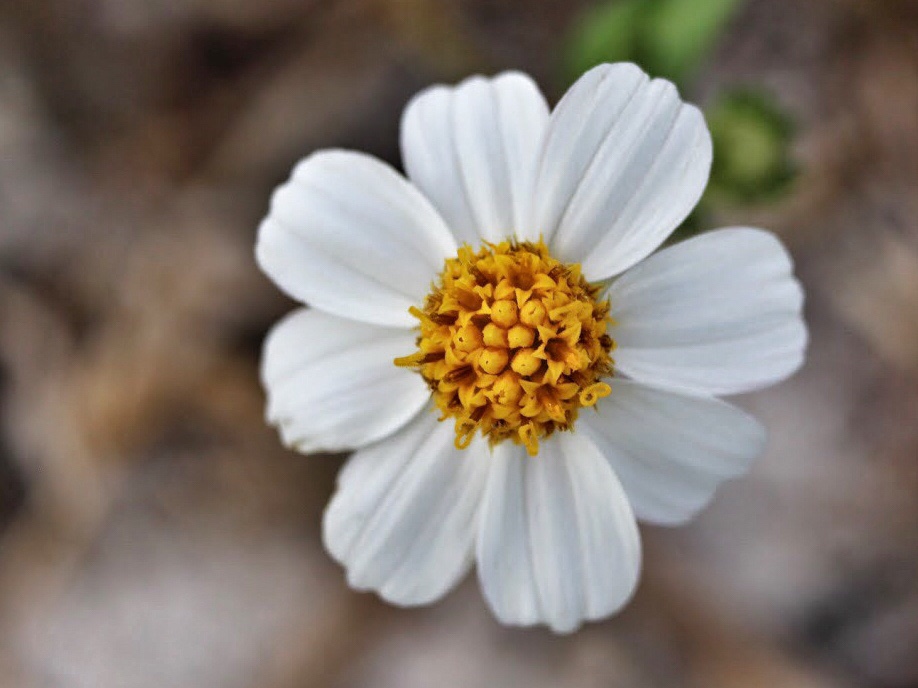
Apis mellifera on Bidens alba

Find more info here.
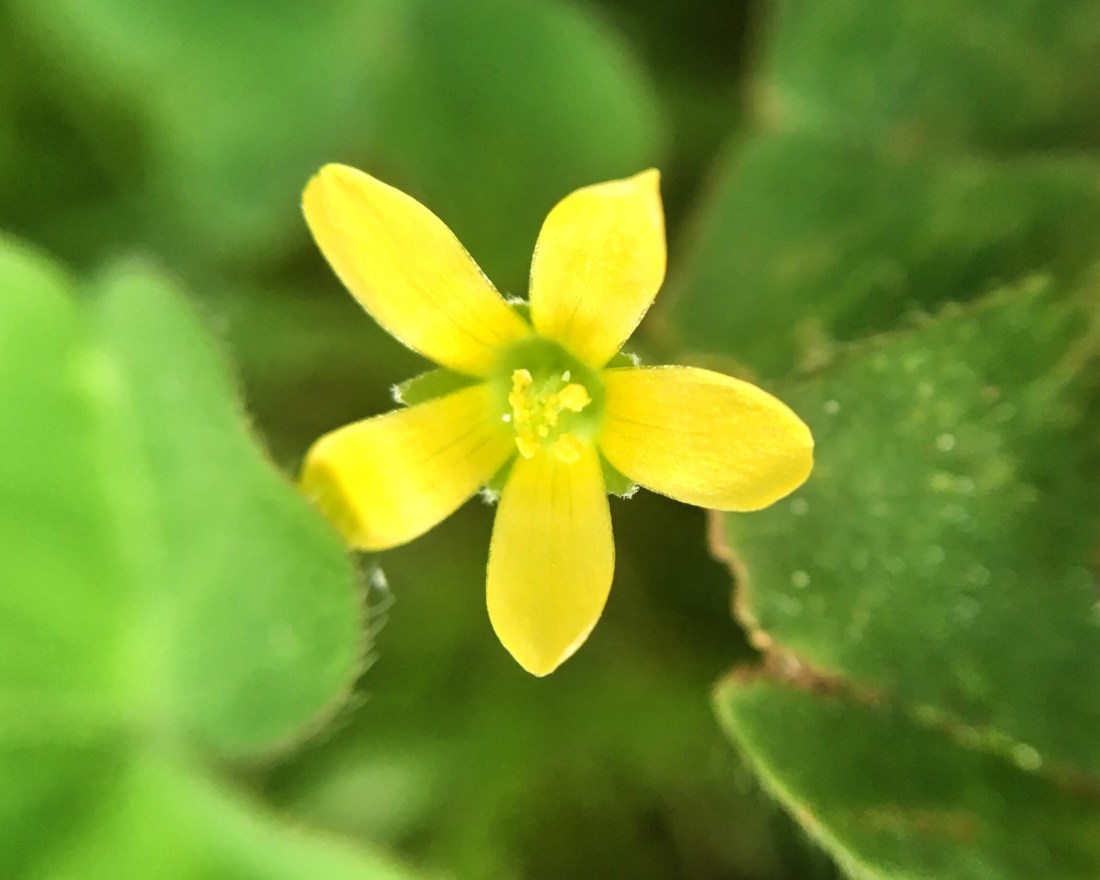
Oxalis corniculata flower
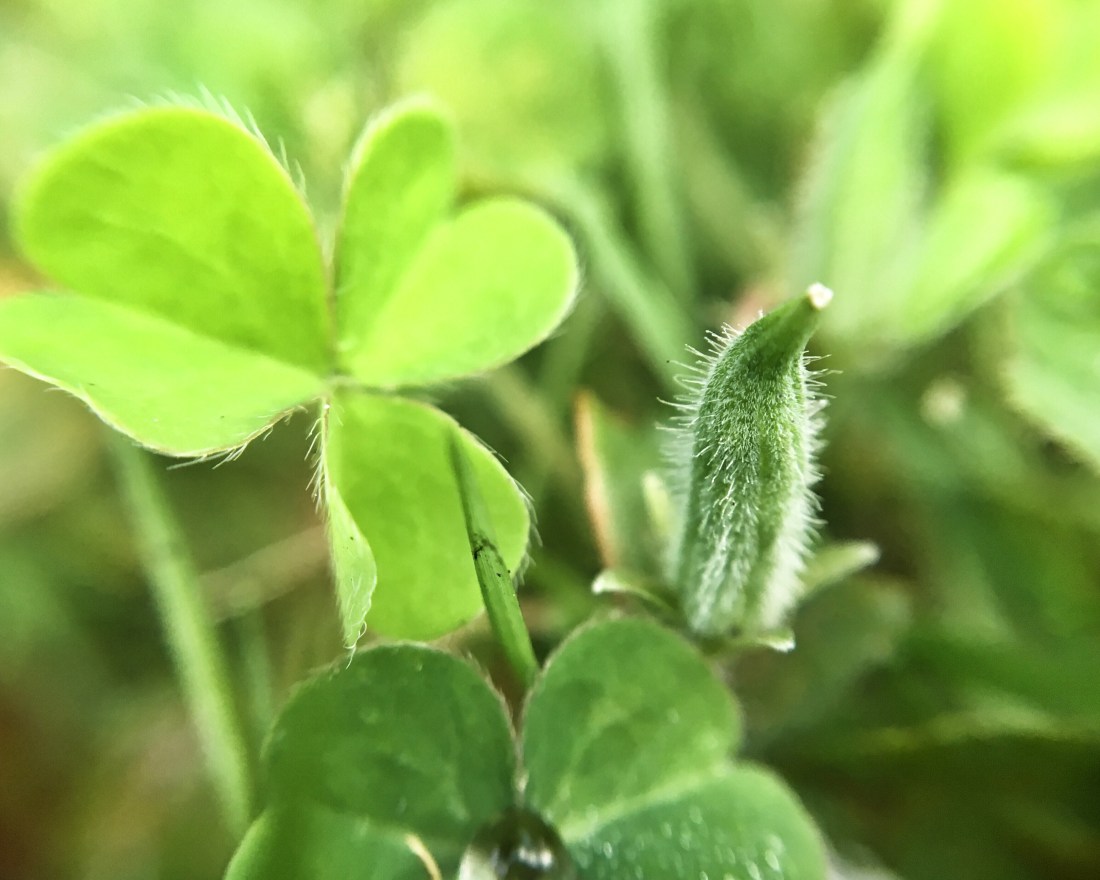
Oxalis corniculata fruit and leaves
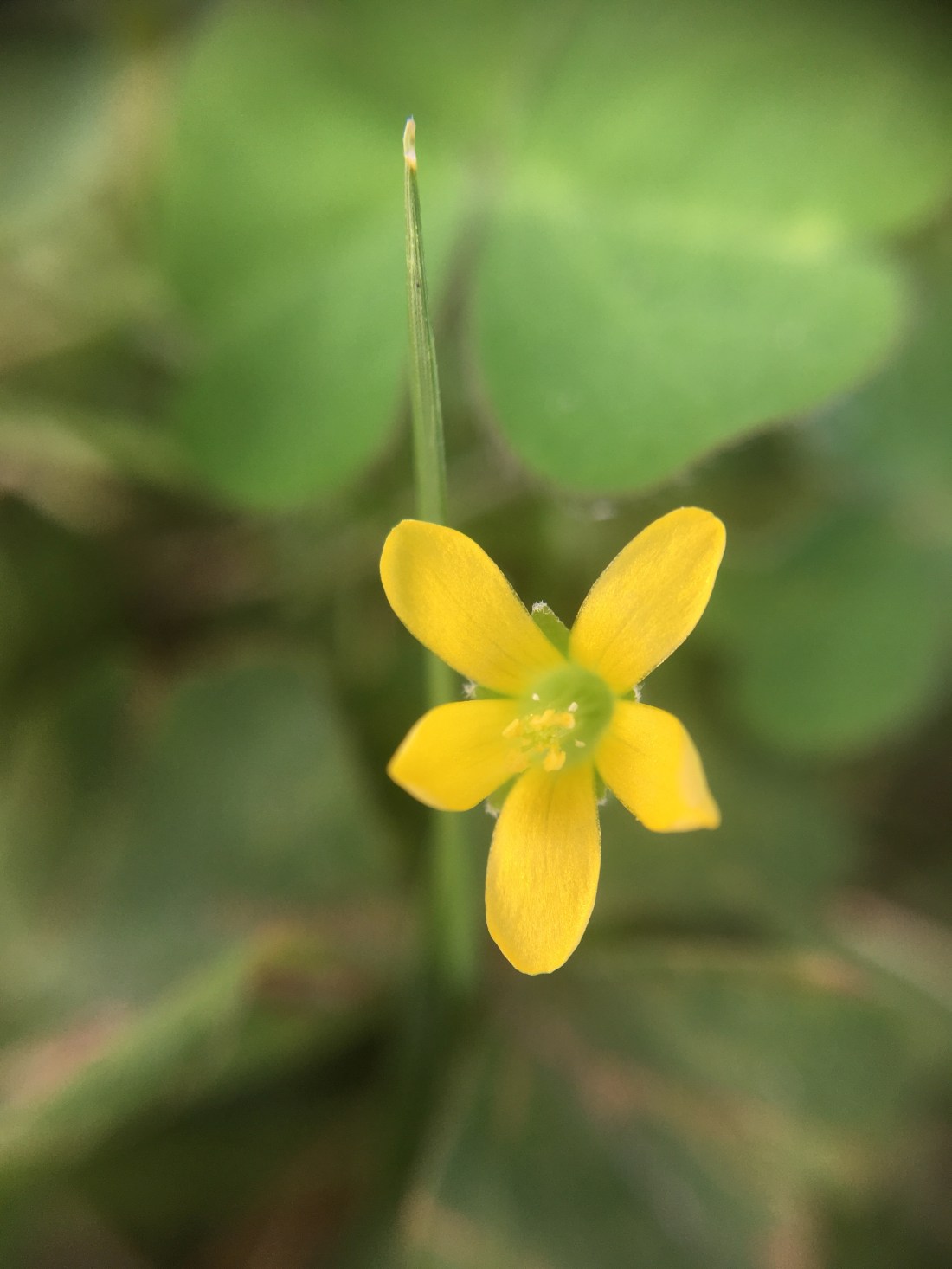
Oxalis corniculata flower
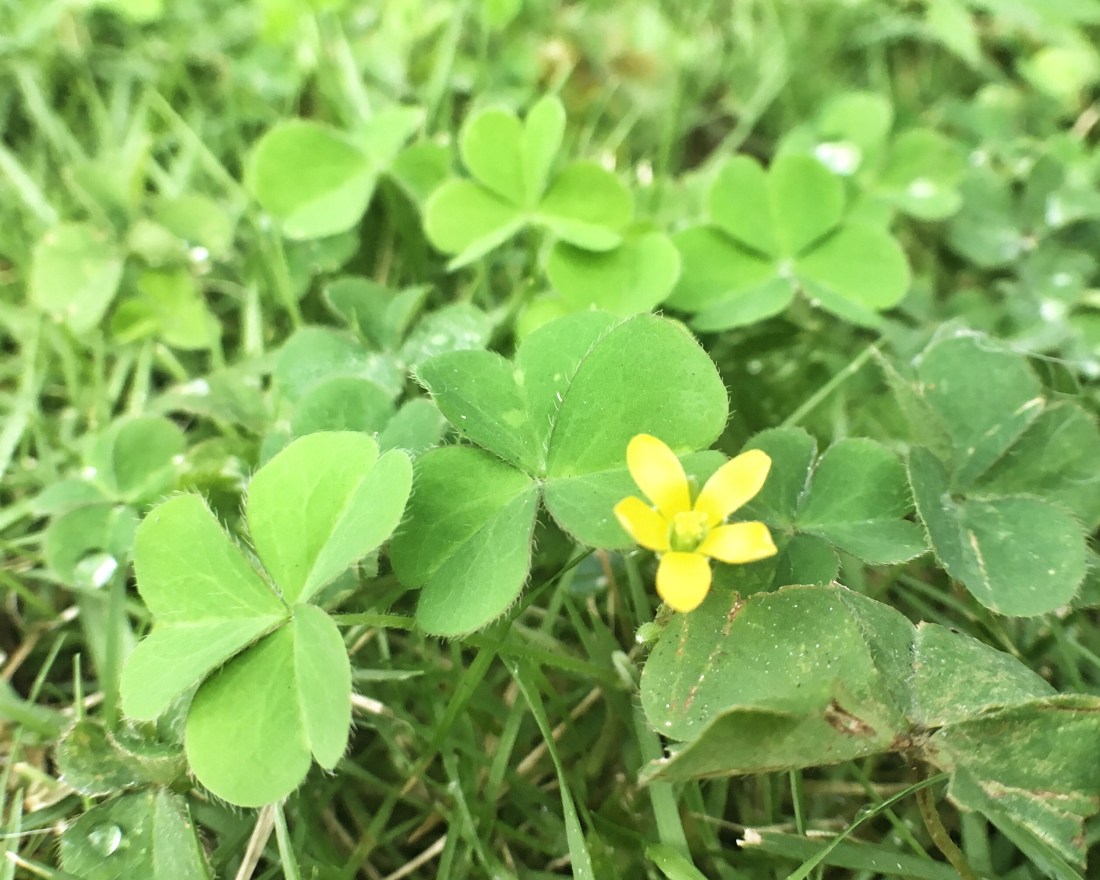
Oxalis corniculata flower and leaves
Find more info here.
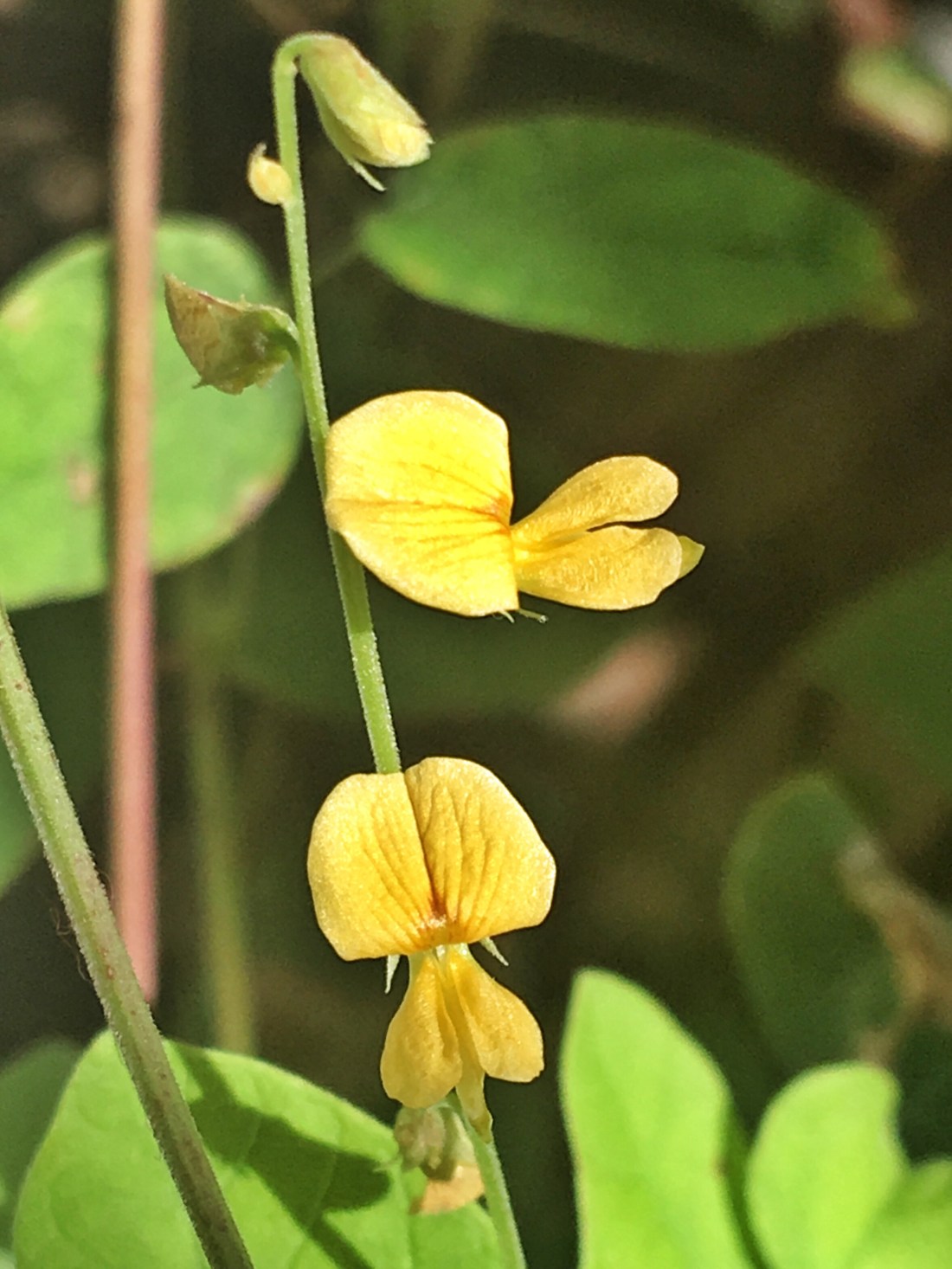
Rhynchosia minima flowers
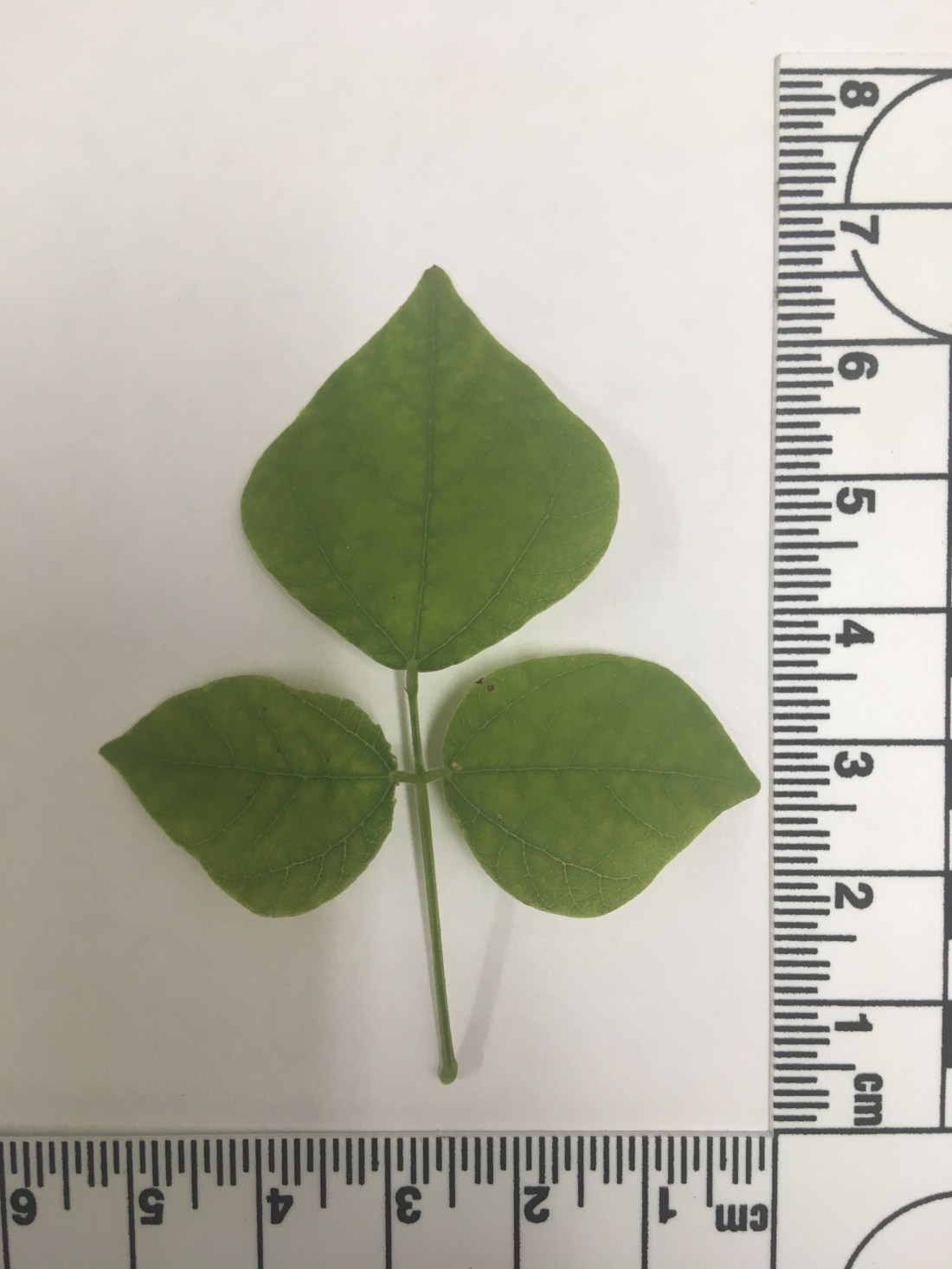
Rhynchosia minima leaf
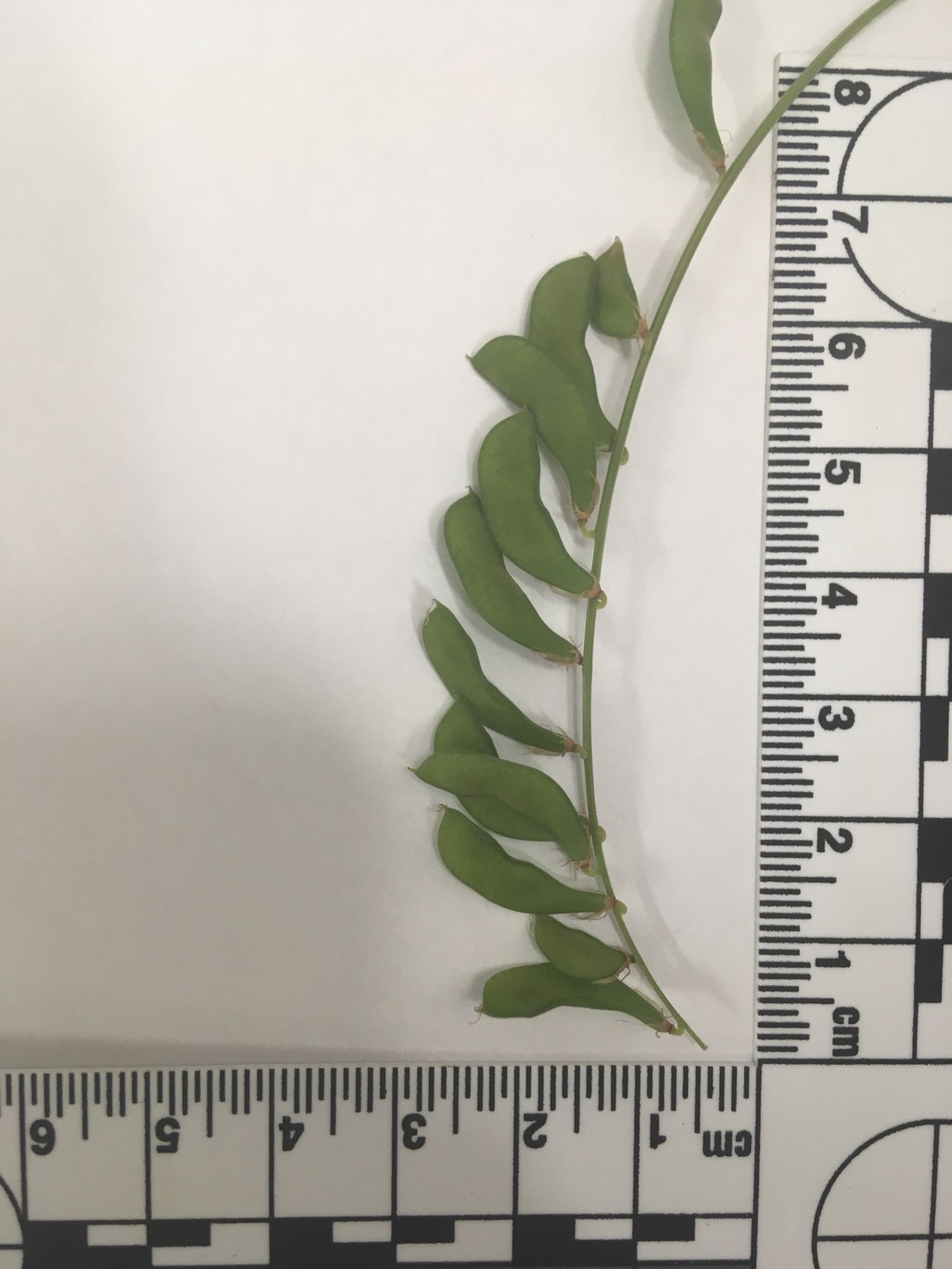
Rhynchosia minima fruits
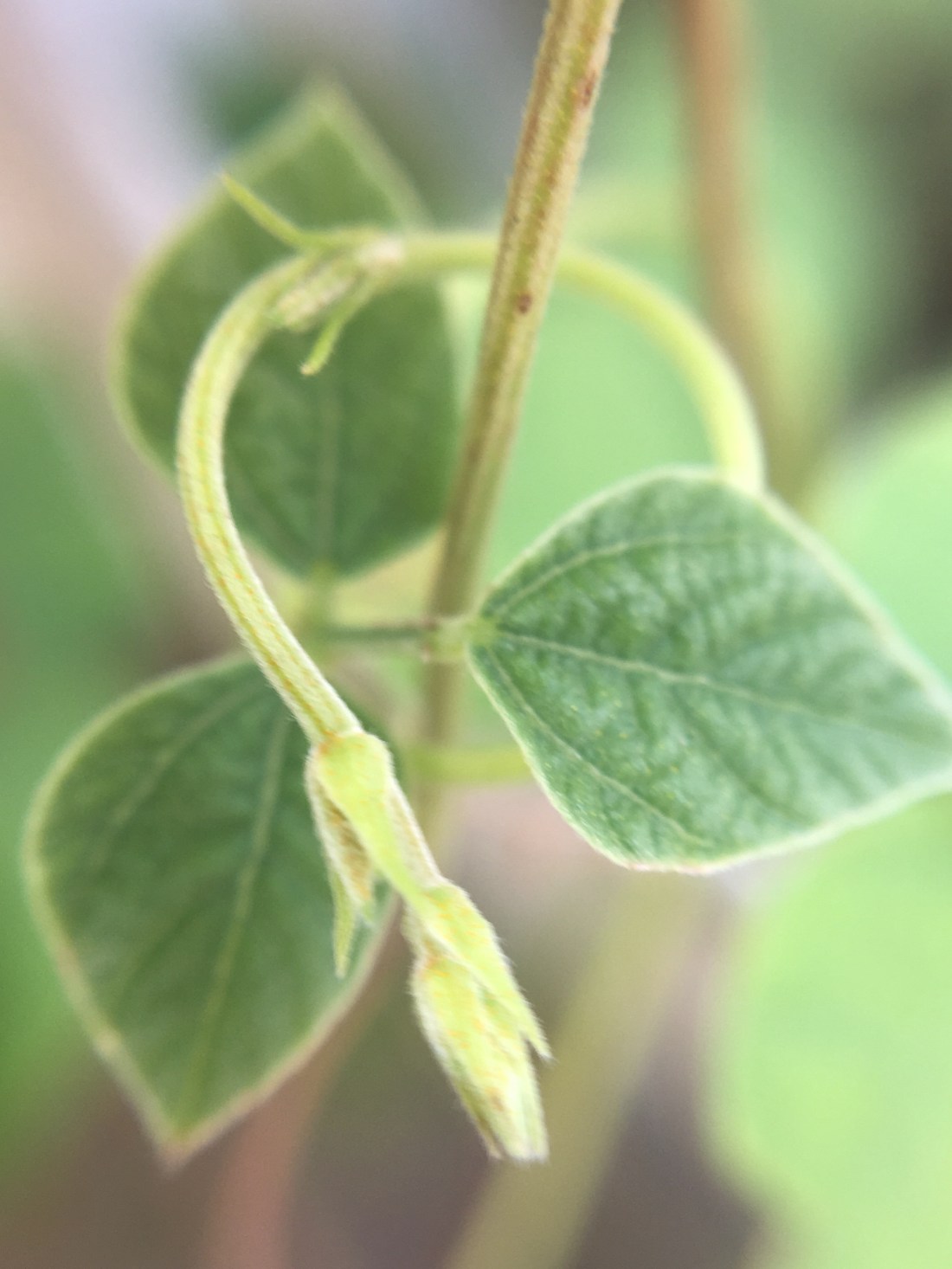
Rhynchosia minima leaf and vining stem
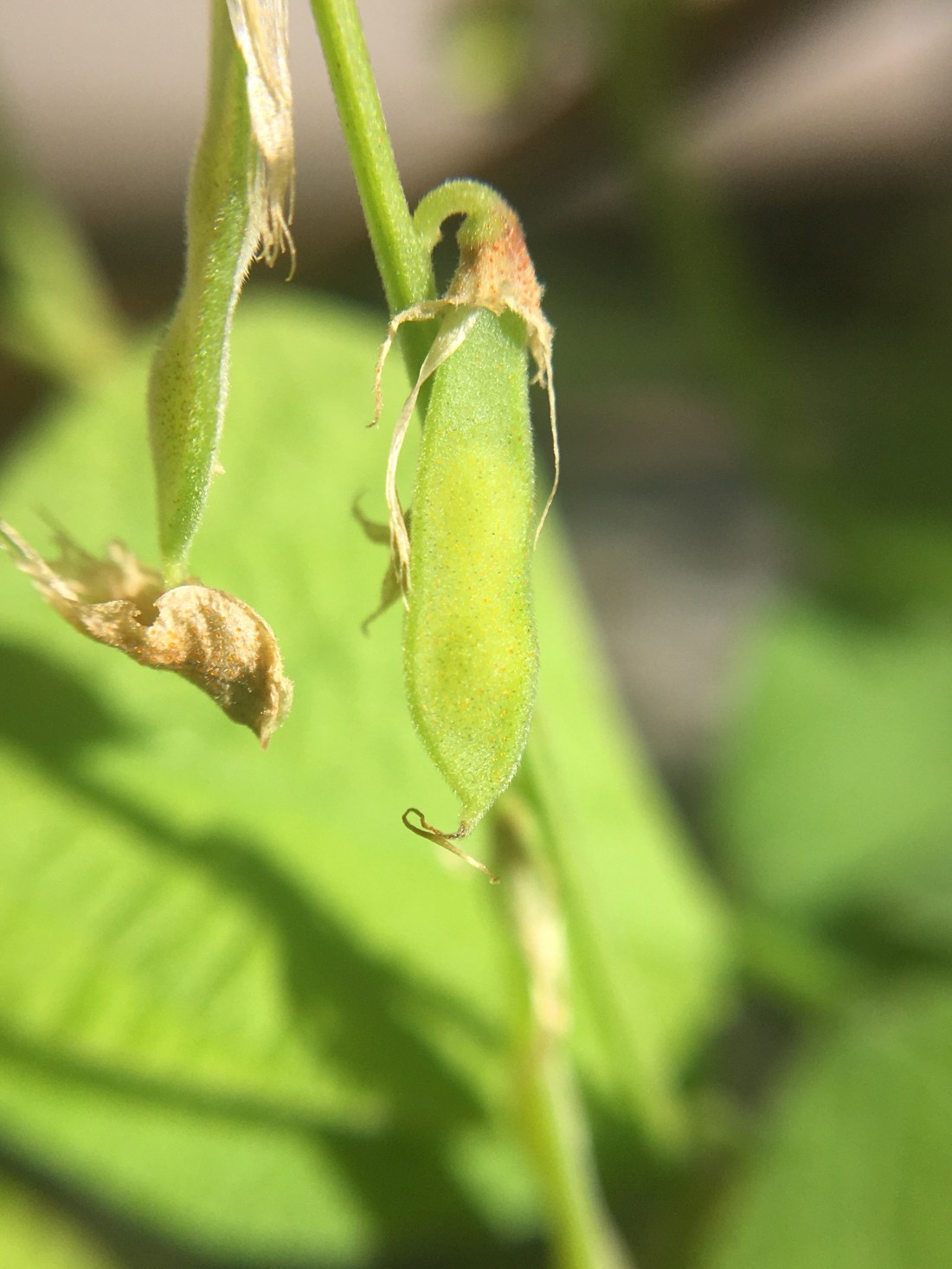
Young Rhynchosia minima fruit with remnants of flower
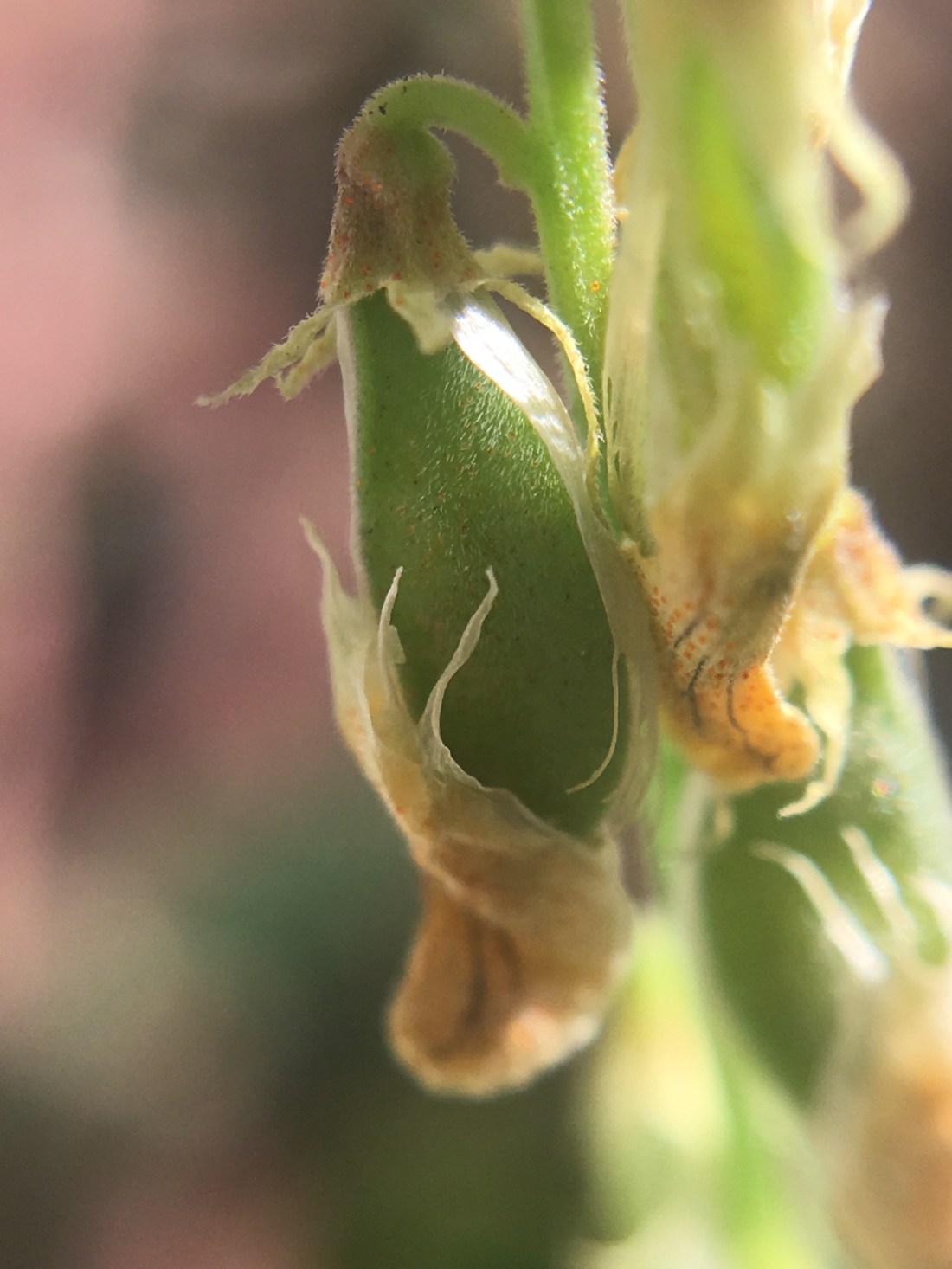
Rhynchosia minima young fruit
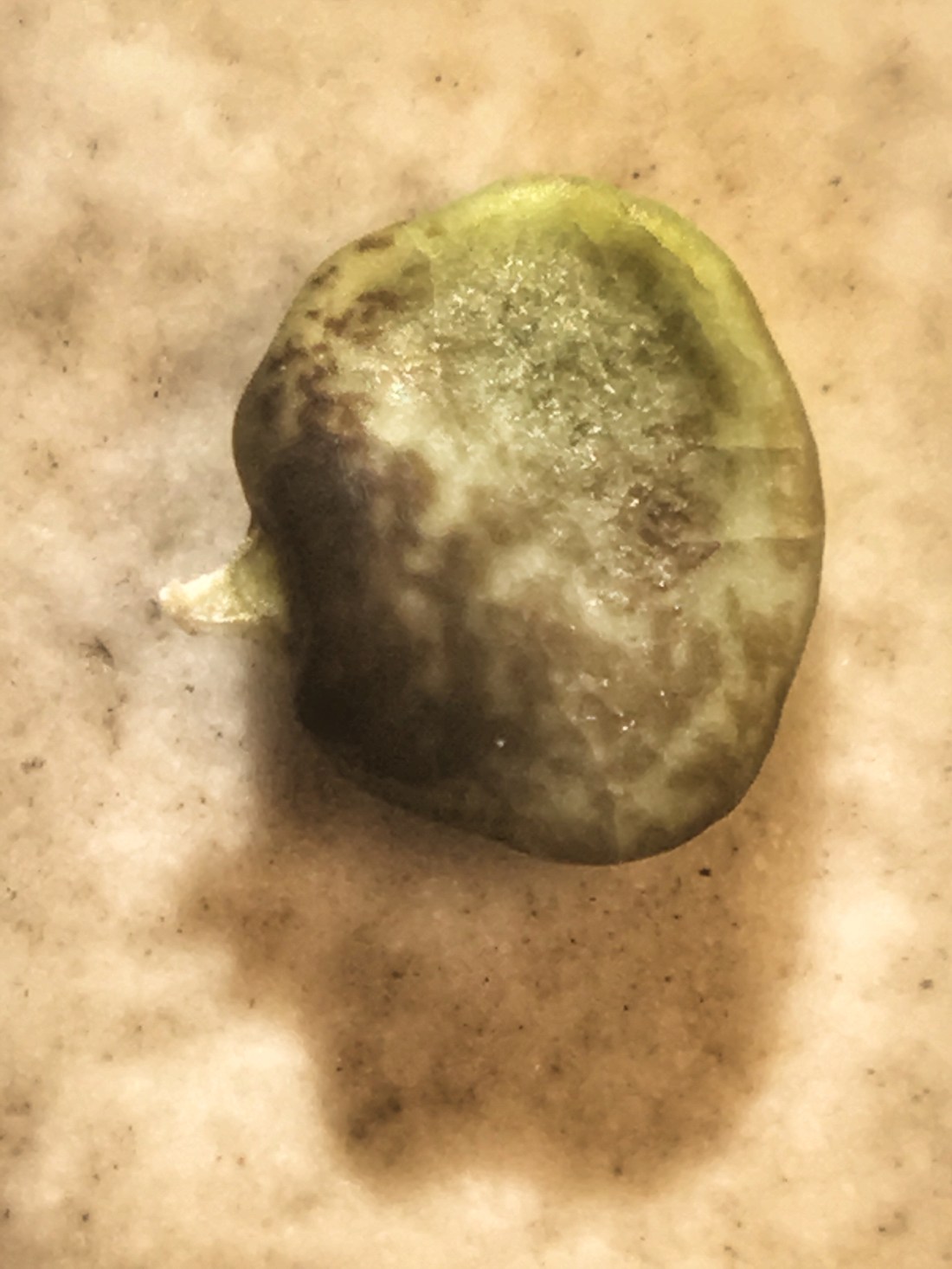
Rhynchosia minima seed
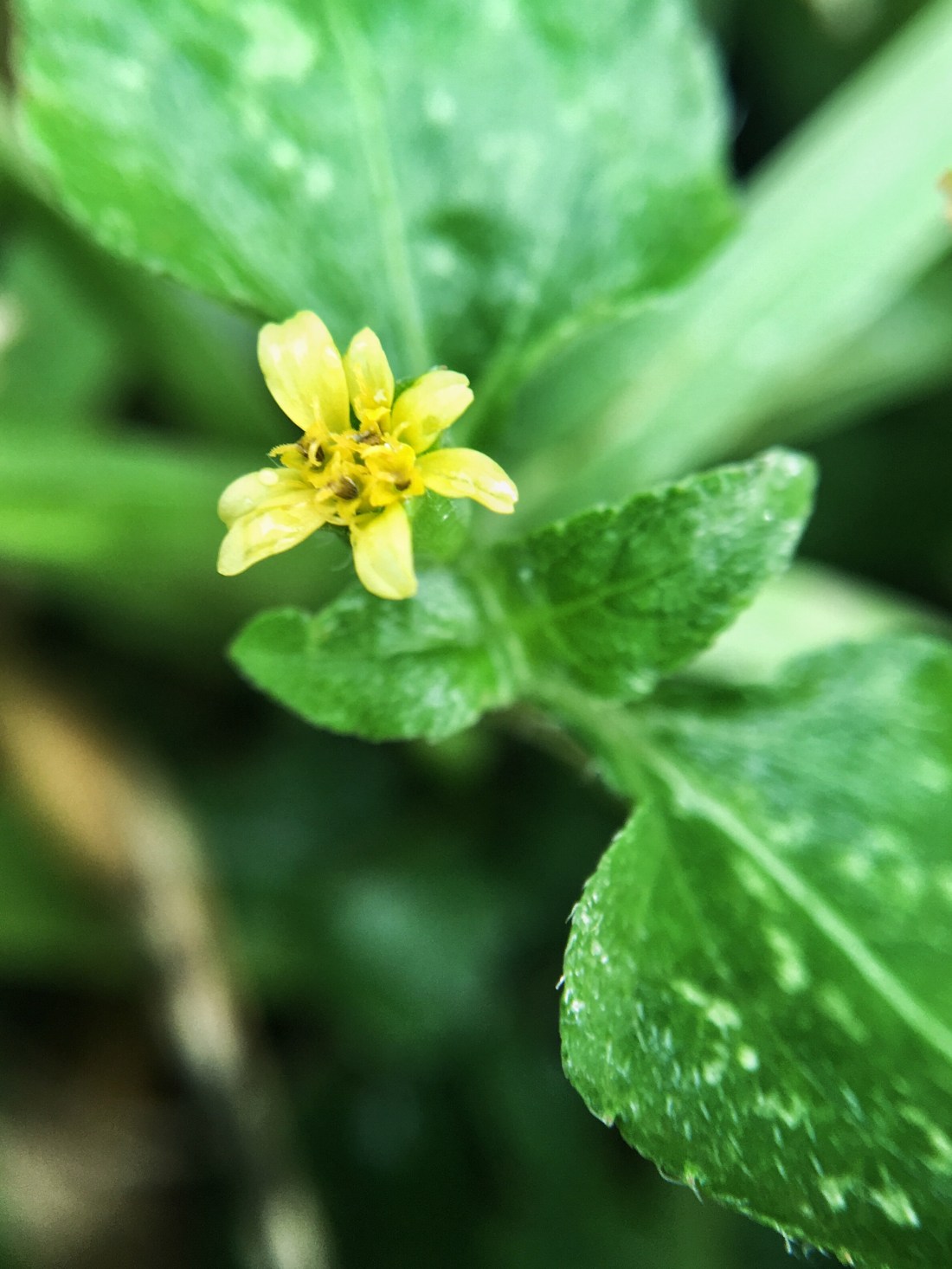
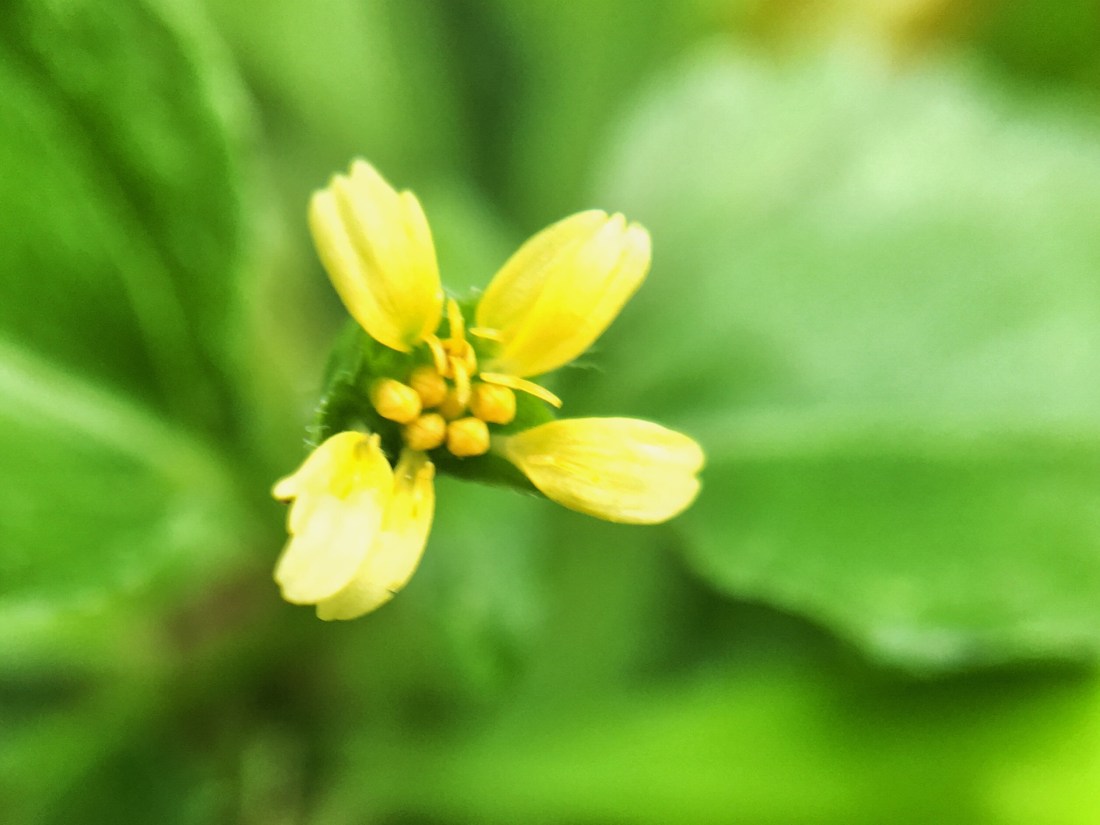
This is a sneaky weed. I’ve walked past it dozens of times, always waiting for it to flower. It wasn’t until a friend brought me specimen from her yard that I discovered that the tiniest flowers dangle underneath the leaves. Find more info here.
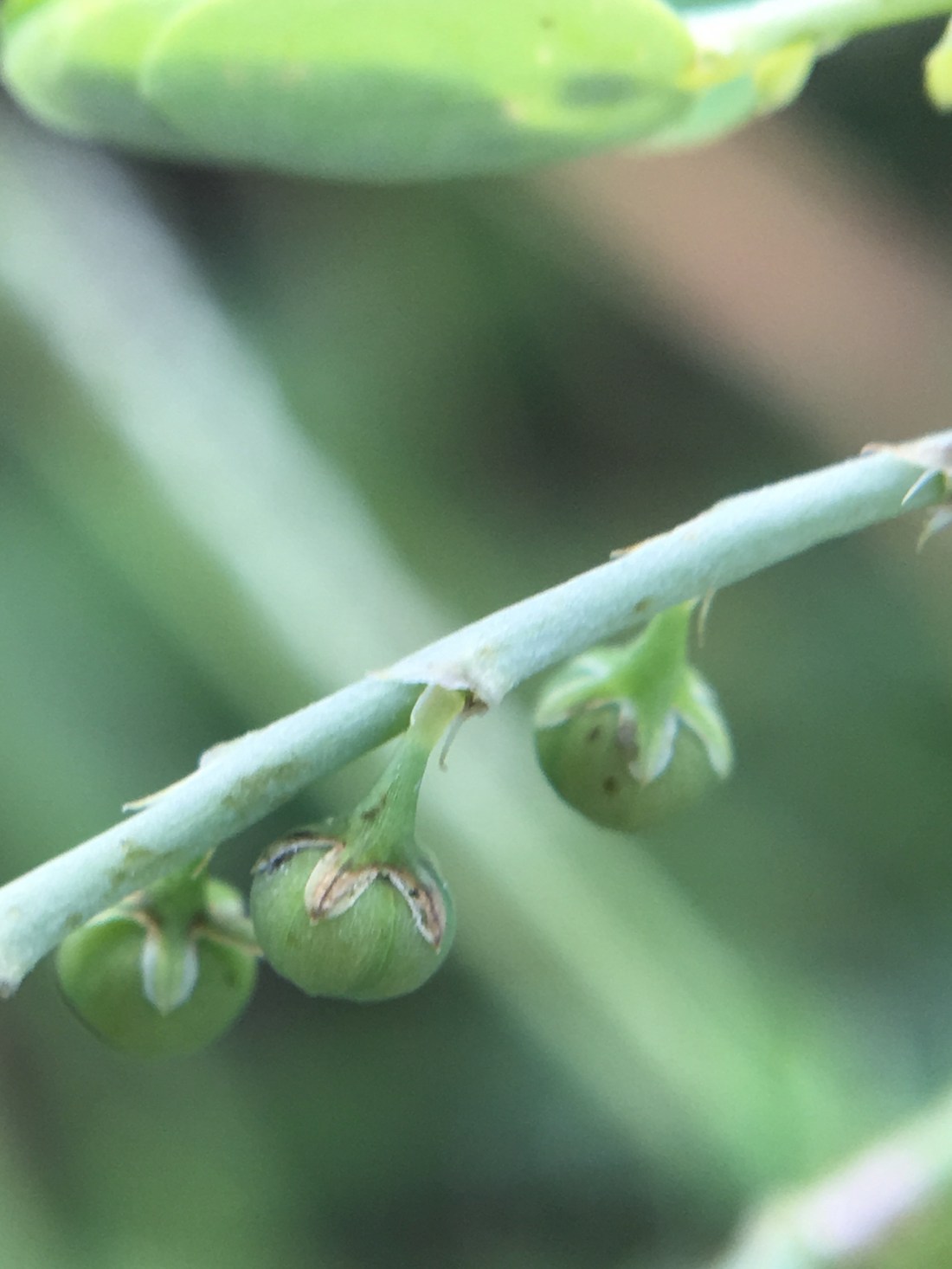
Phyllanthus amarus fruits

Phyllanthus amarus flowers (calyx less than 1mm wide)
Pseudosphinx tetrio
Although most people who walked by while I was admiring this caterpillar shared the wonder of such a gigantic, colorful creature by taking photos and watching it wander down the sidewalk, a few imparted more negative opinions. One informed me that it would bite me (it didn’t). That it would burn me like “muriatic acid” (it didn’t). And a third suggested I would catch a disease (haven’t appeared to). But none of these people knew the name of the caterpillar or even what it fed on. After identifying this larva online, I transported him to the nearest frangipani tree about 200 yards away, which had about 5 other Pseudosphinx tetrio caterpillars munching on the leathery leaves. Moral of this story- assess the risks and decide for yourself. If it has a mouth, it can bite. (I’d probably survive.) It could sting. (Again, I’d probably survive, but it is something to consider in advance.) And truthfully, if I got sick from a caterpillar, I’d probably think it was worth the novelty. (And I’d probably survive – and I’d definitely share the tale with others.)
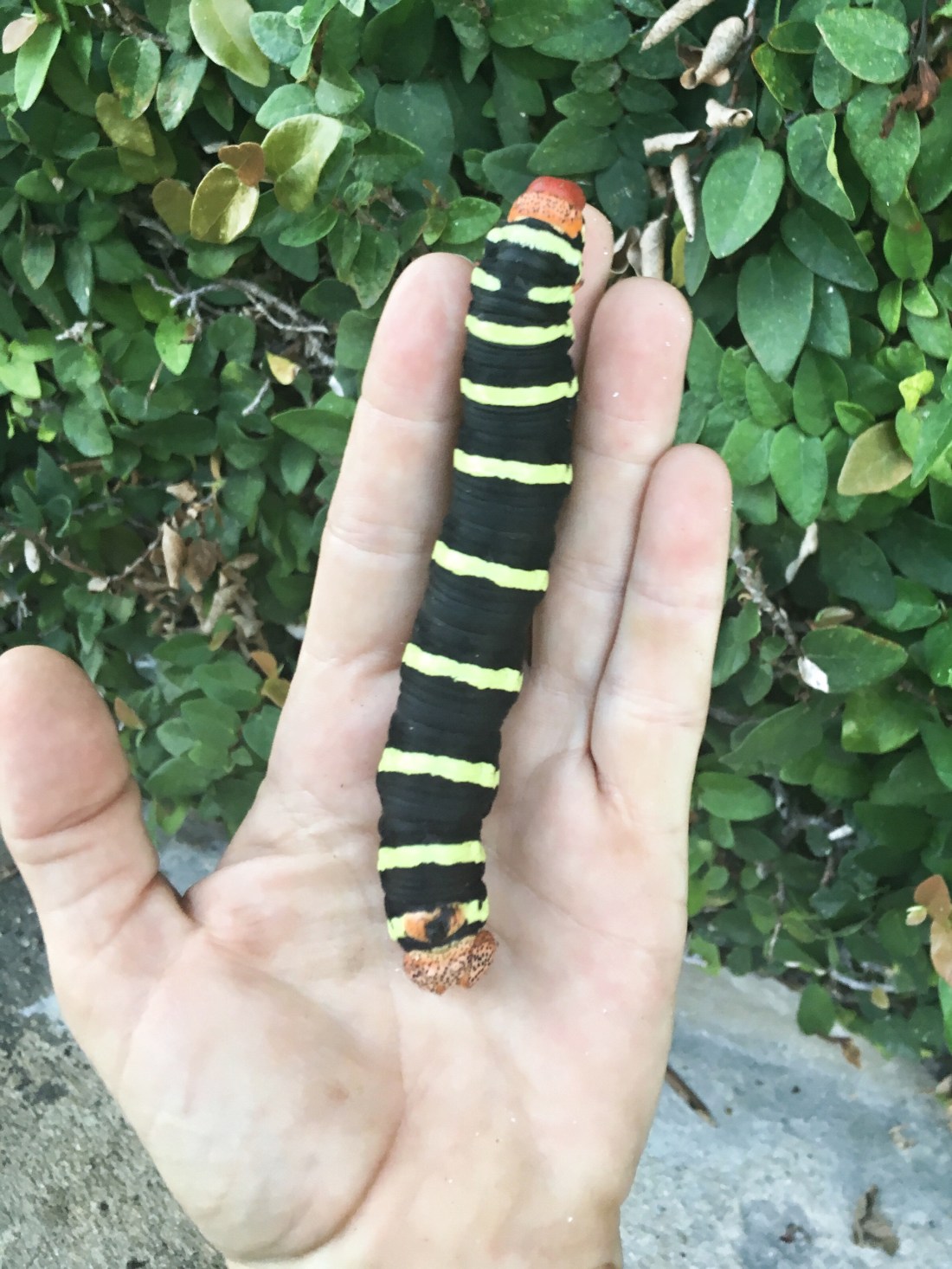
Pseudosphinx tetrio caterpillar
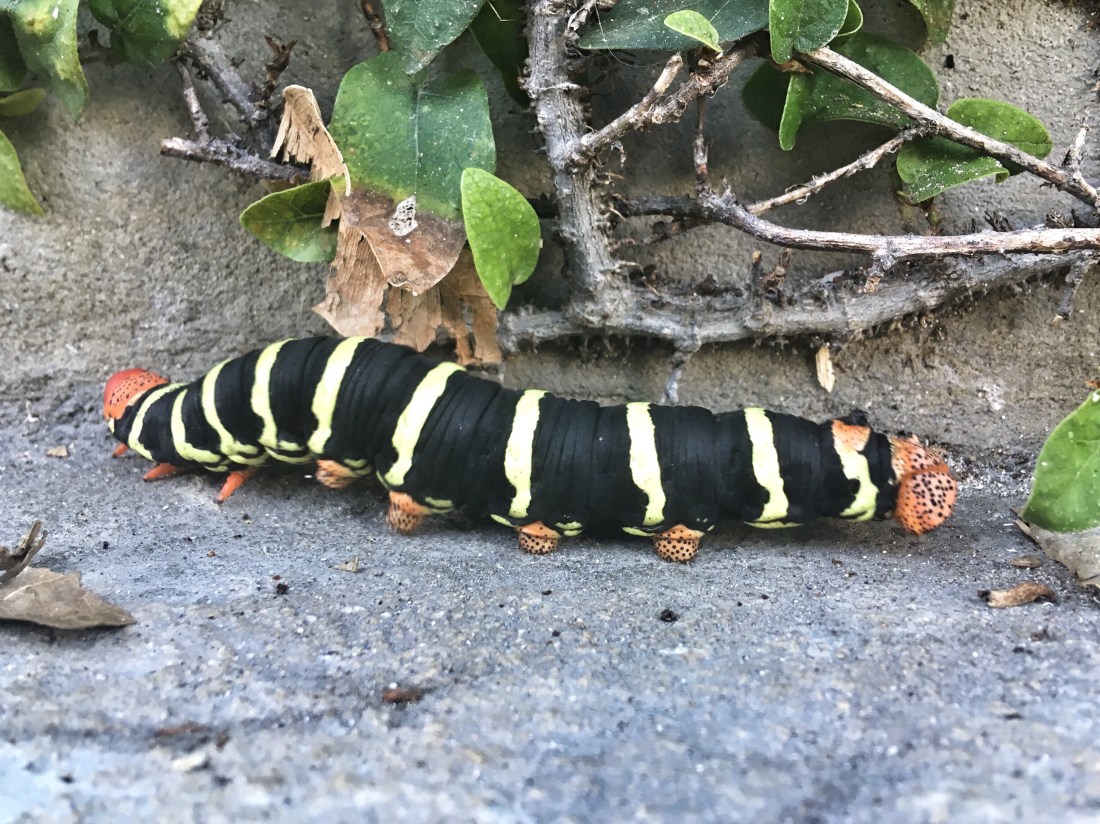
Pseudosphinx tetrio caterpillar
And for true excitement, topped only by watching paint dry, some video of the caterpillar munching on a frangipani leaf.
Find more info here.
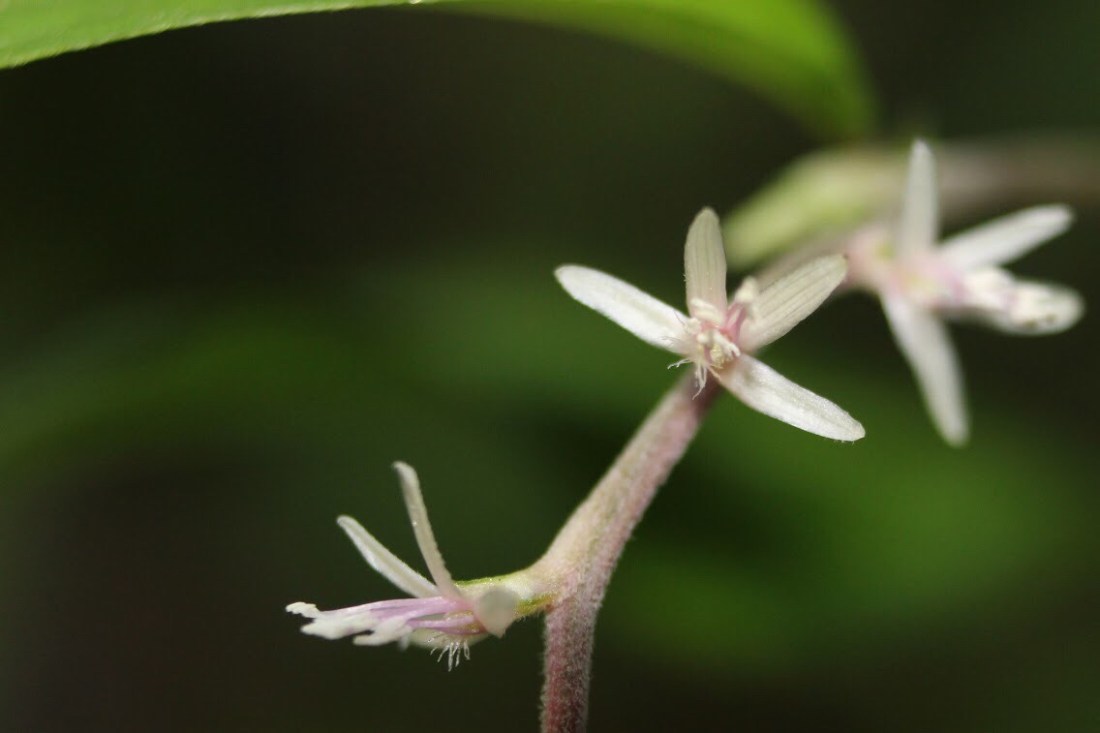
Petiveria alliacea flower
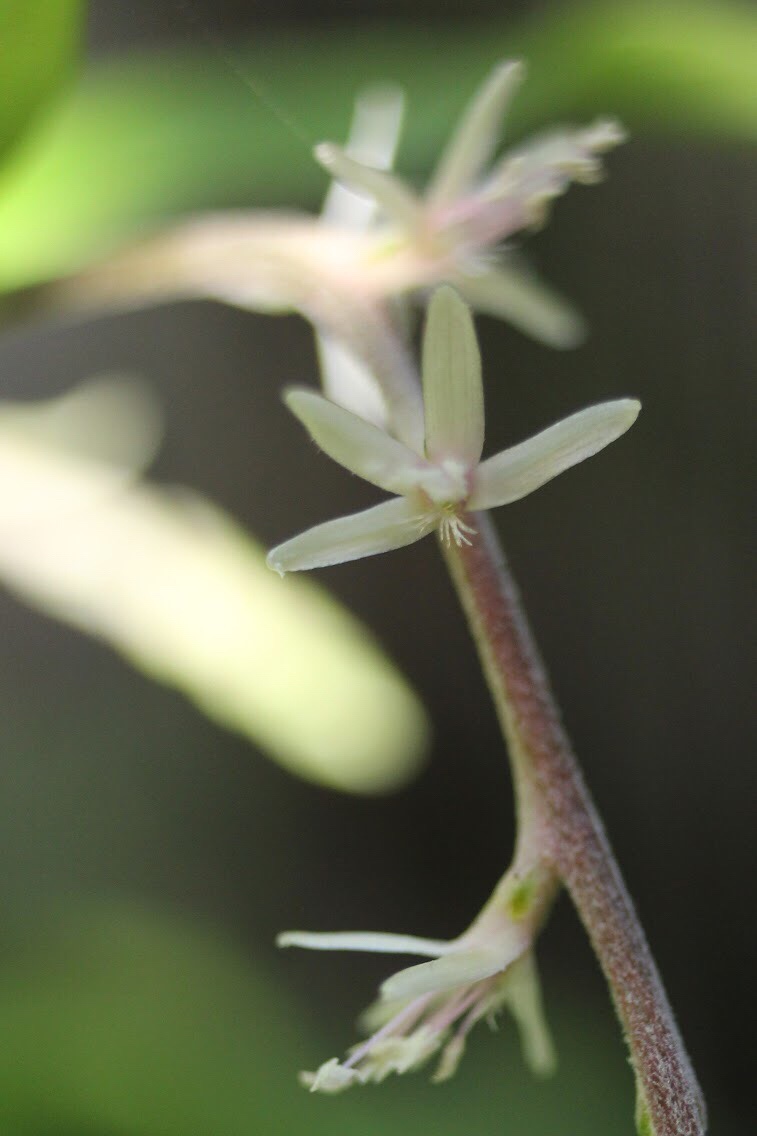
Petiveria alliacea flower
View and compare this specimen to those available at the Atlas of Florida Plants.
Find more info here.

Zephyranthes citrina day old flower

Zephyranthes citrina bud

Zephyranthes citrina flower
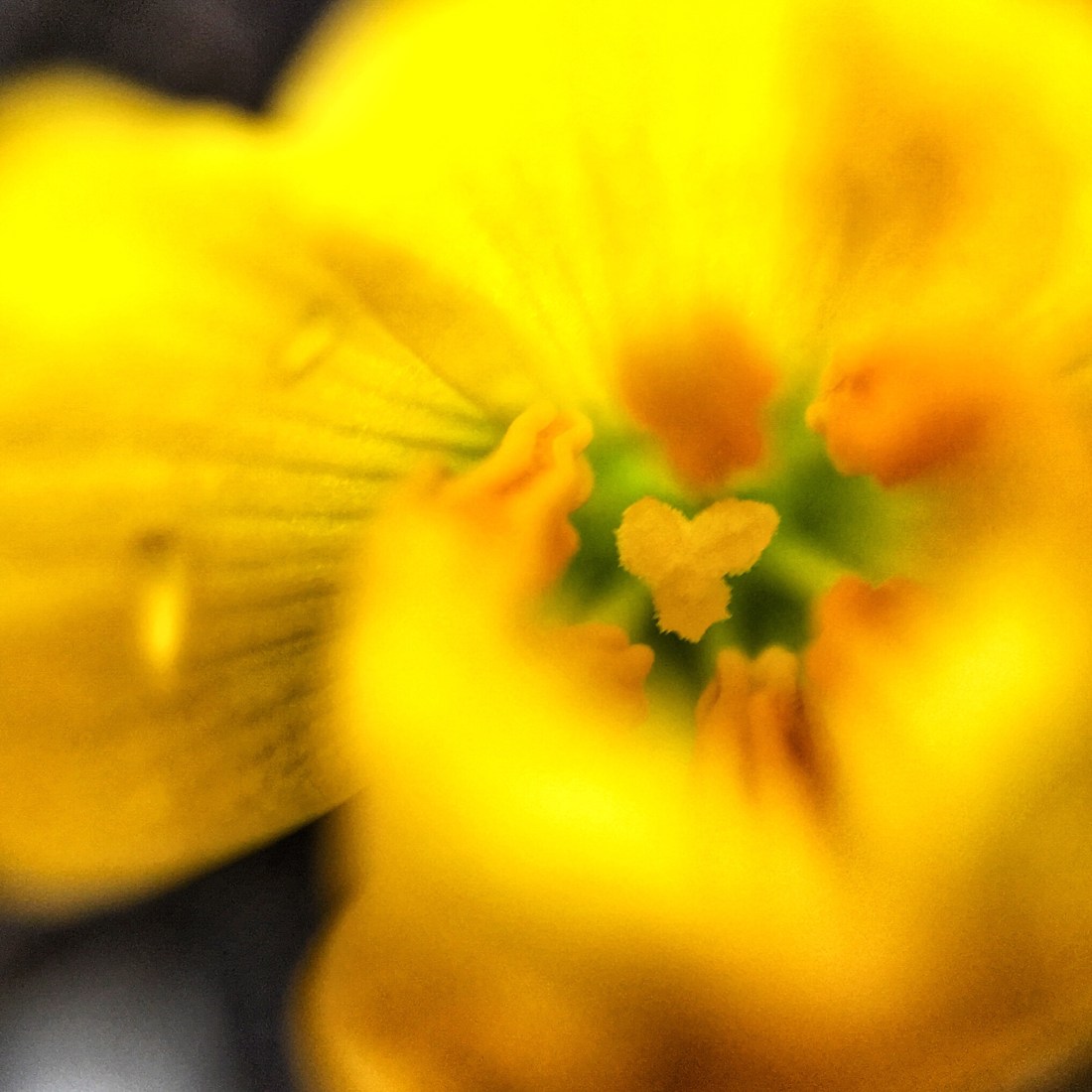
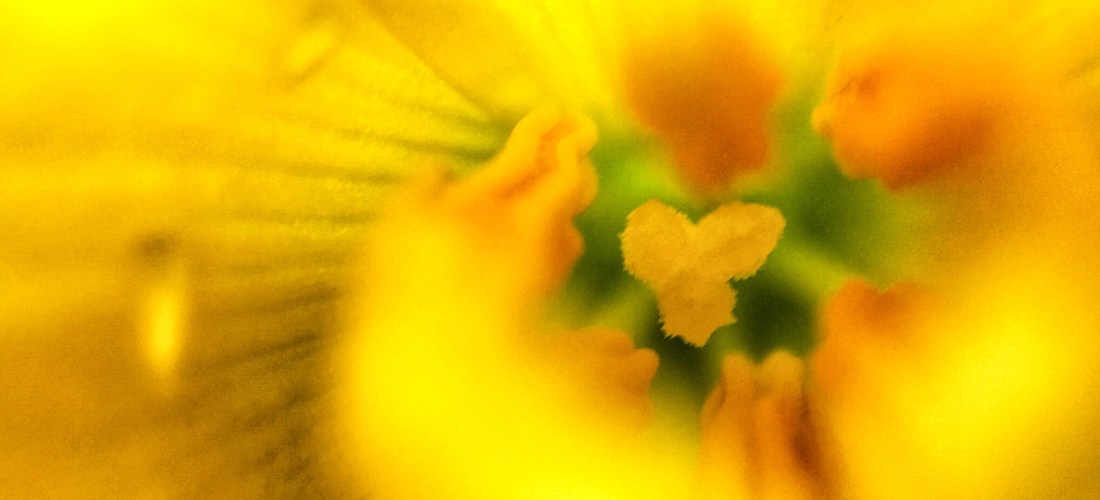
Zephyranthes citrina inside of unopened bud
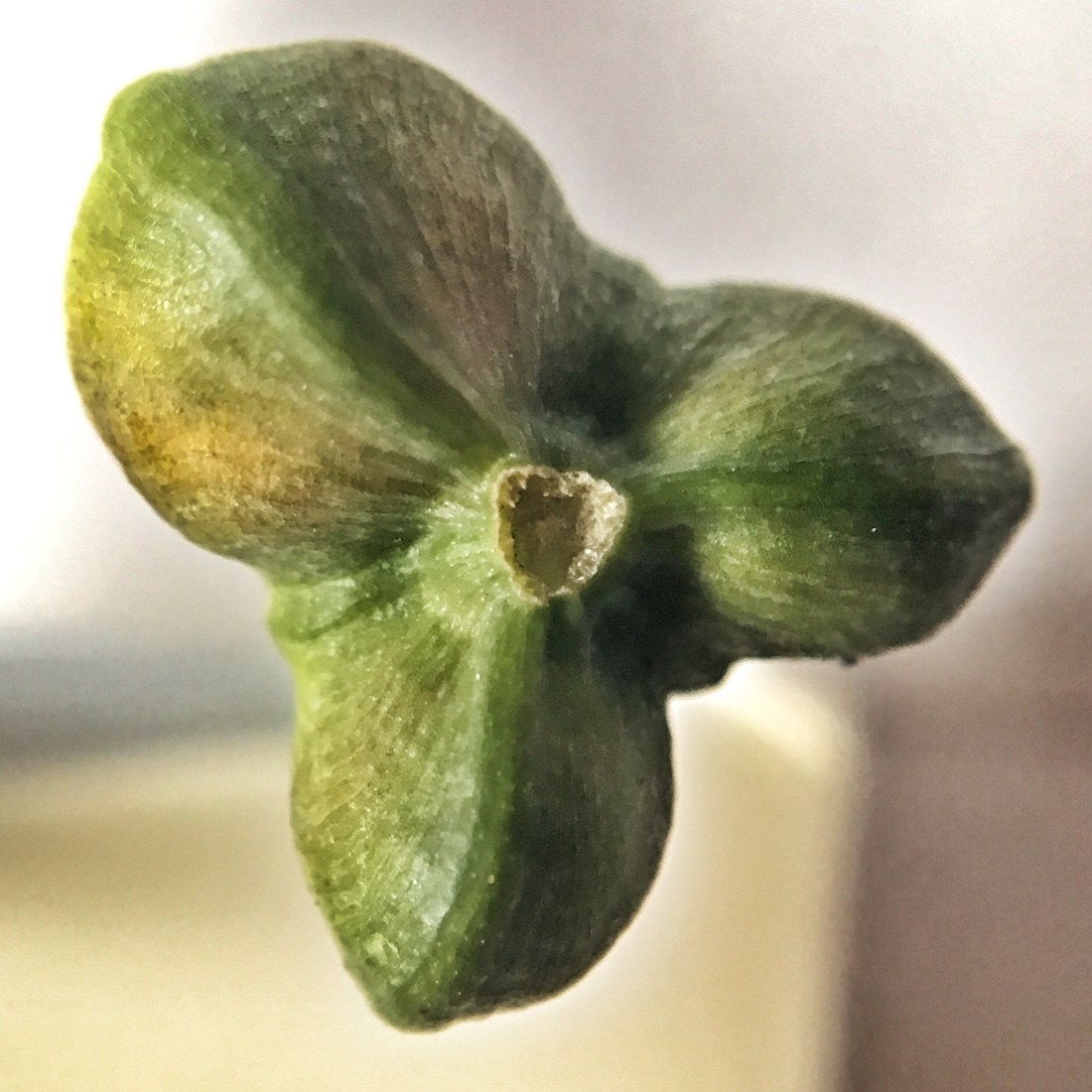
Zephyranthes citrina fresh fruit

Zephyranthes citrina ripe fruit with seeds

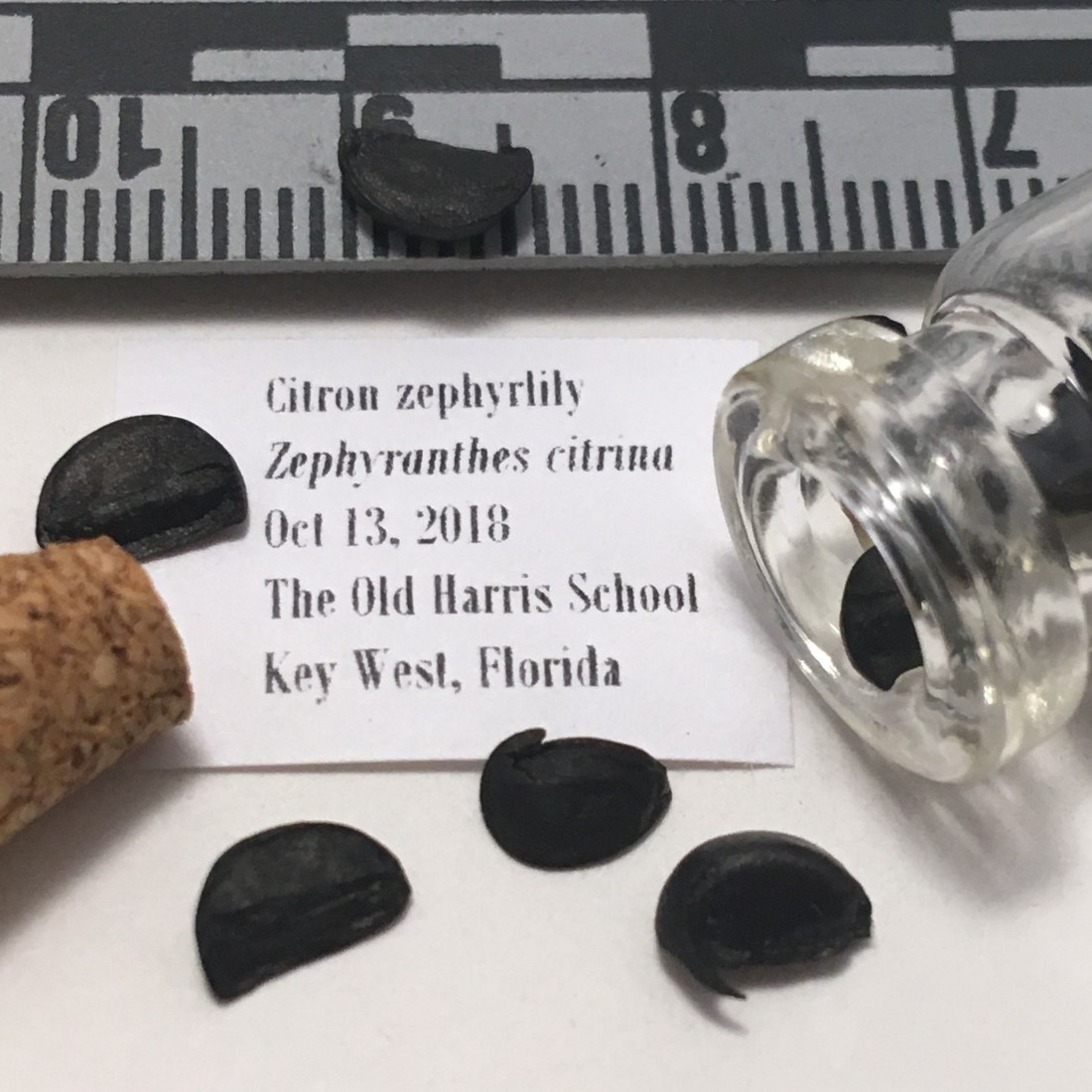
Zephyranthes citrina seed
Find more info here.

Mimosa strigillosa flower

Mimosa strigillosa leaves

Mimosa strigillosa fruits with single seed visible
Find more info here.

Nicotiana plumbaginifolia plant
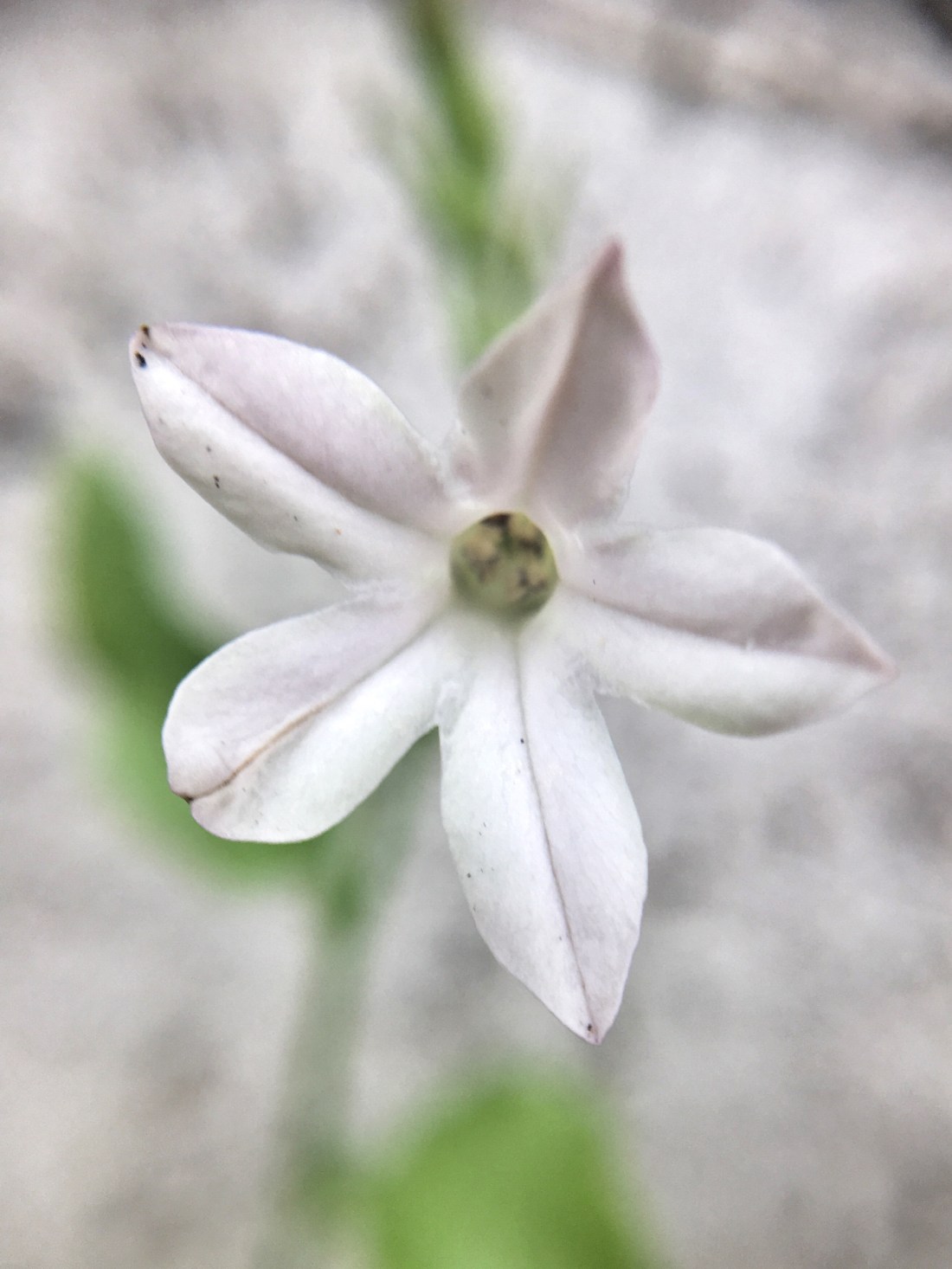
Nicotiana plumbaginifolia flower

Nicotiana plumbaginifolia leaves
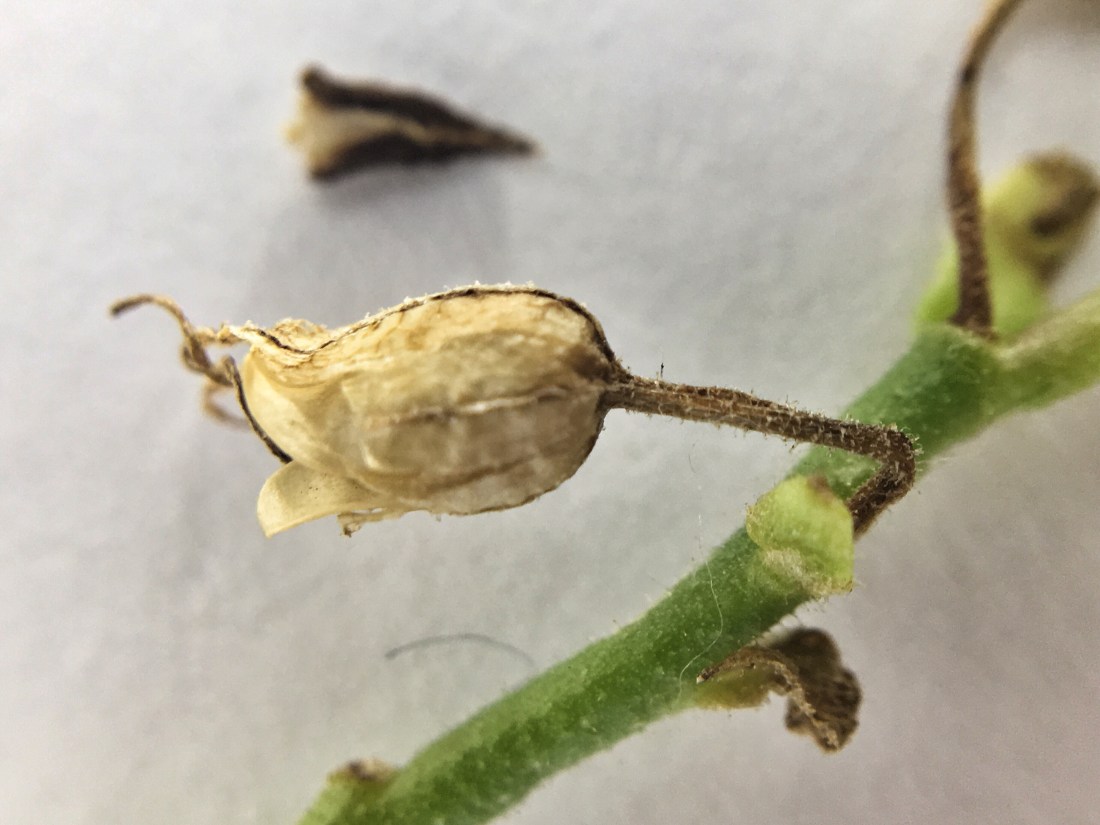
Nicotiana plumbaginifolia dried fruit on plant
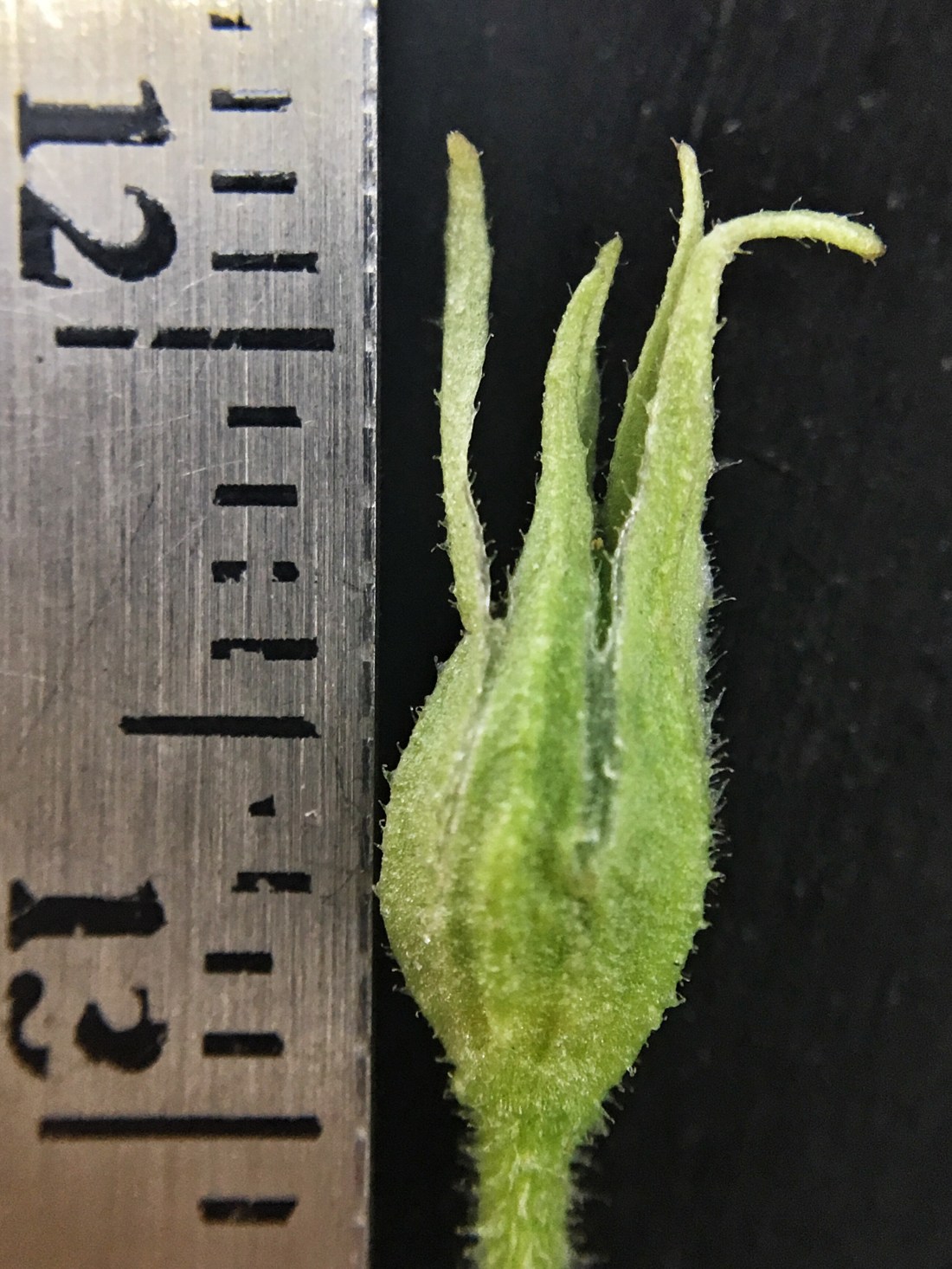
Nicotiana plumbaginifolia fresh fruit
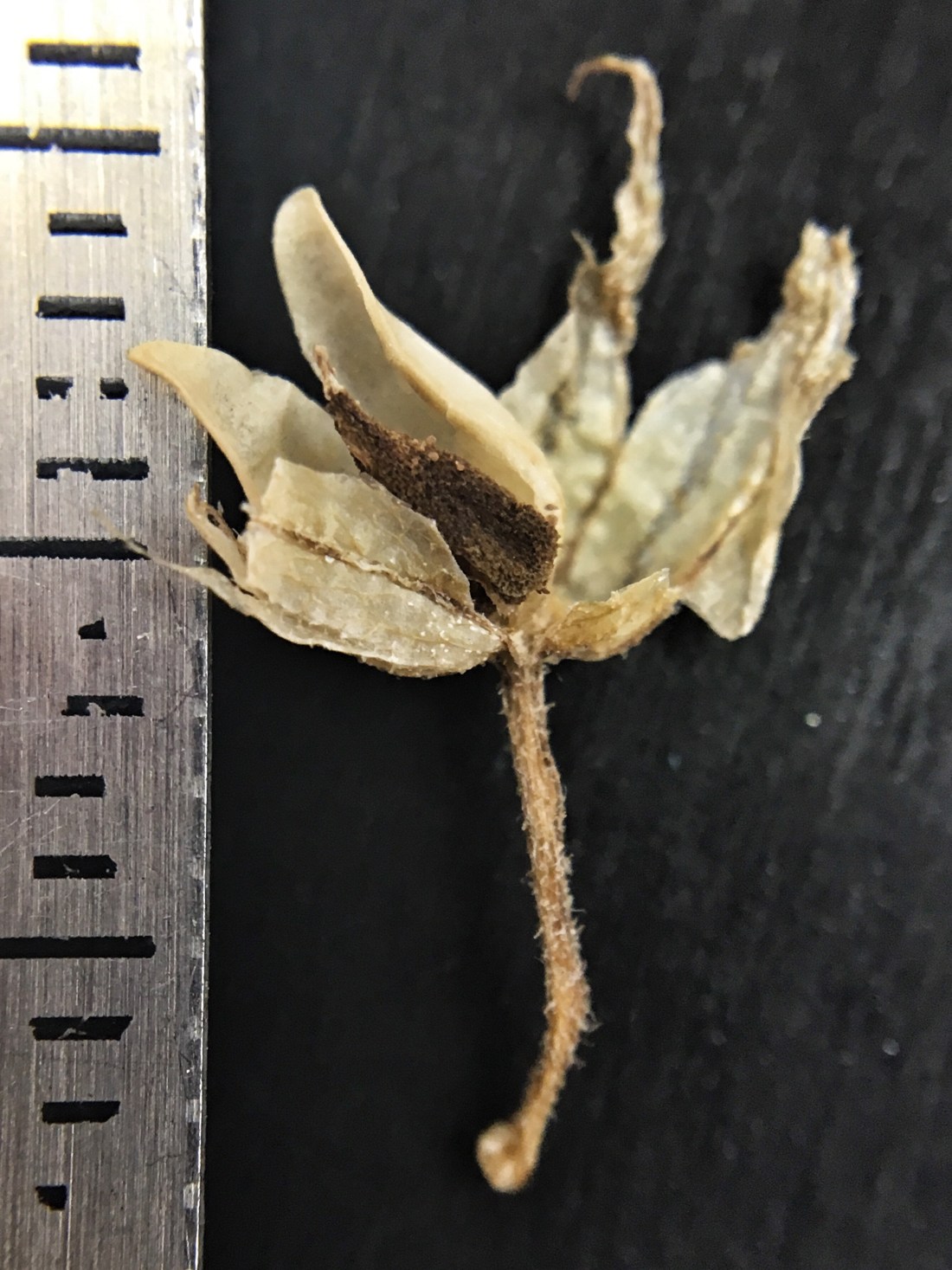
Nicotiana plumbaginifolia fruit (opened to show seed)
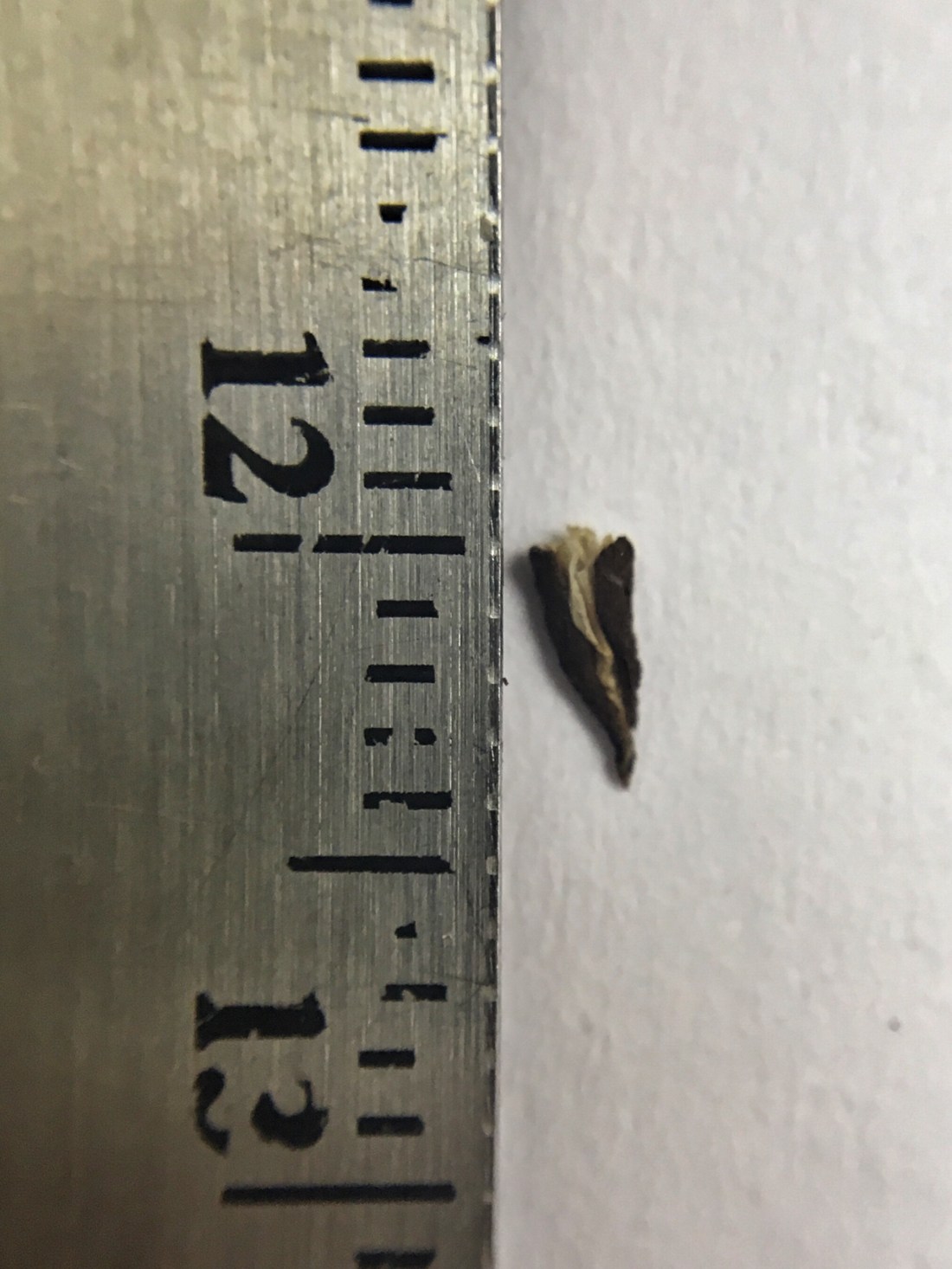
Nicotiana plumbaginifolia seed
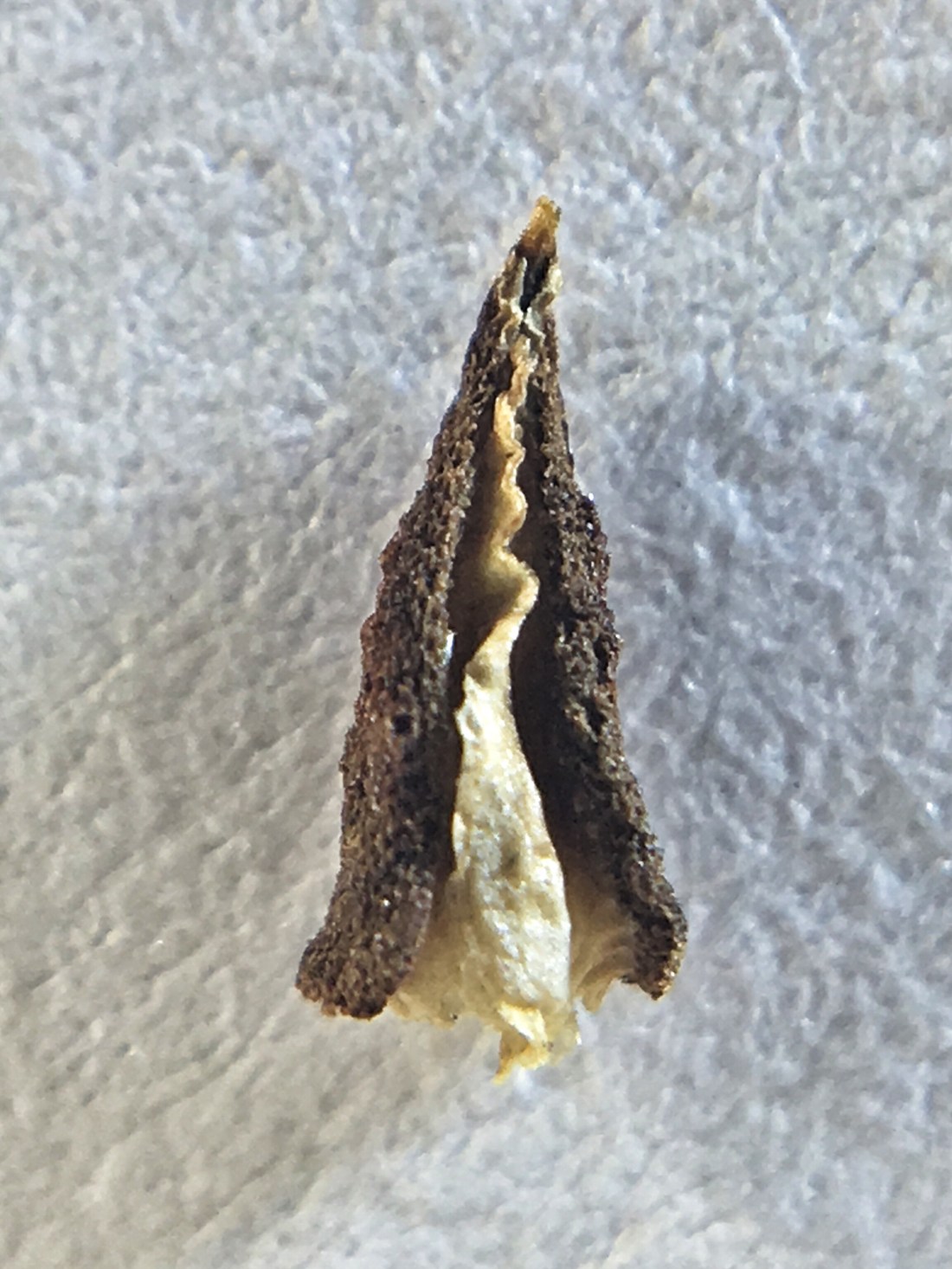
Nicotiana plumbaginifolia seed
Find more info here.
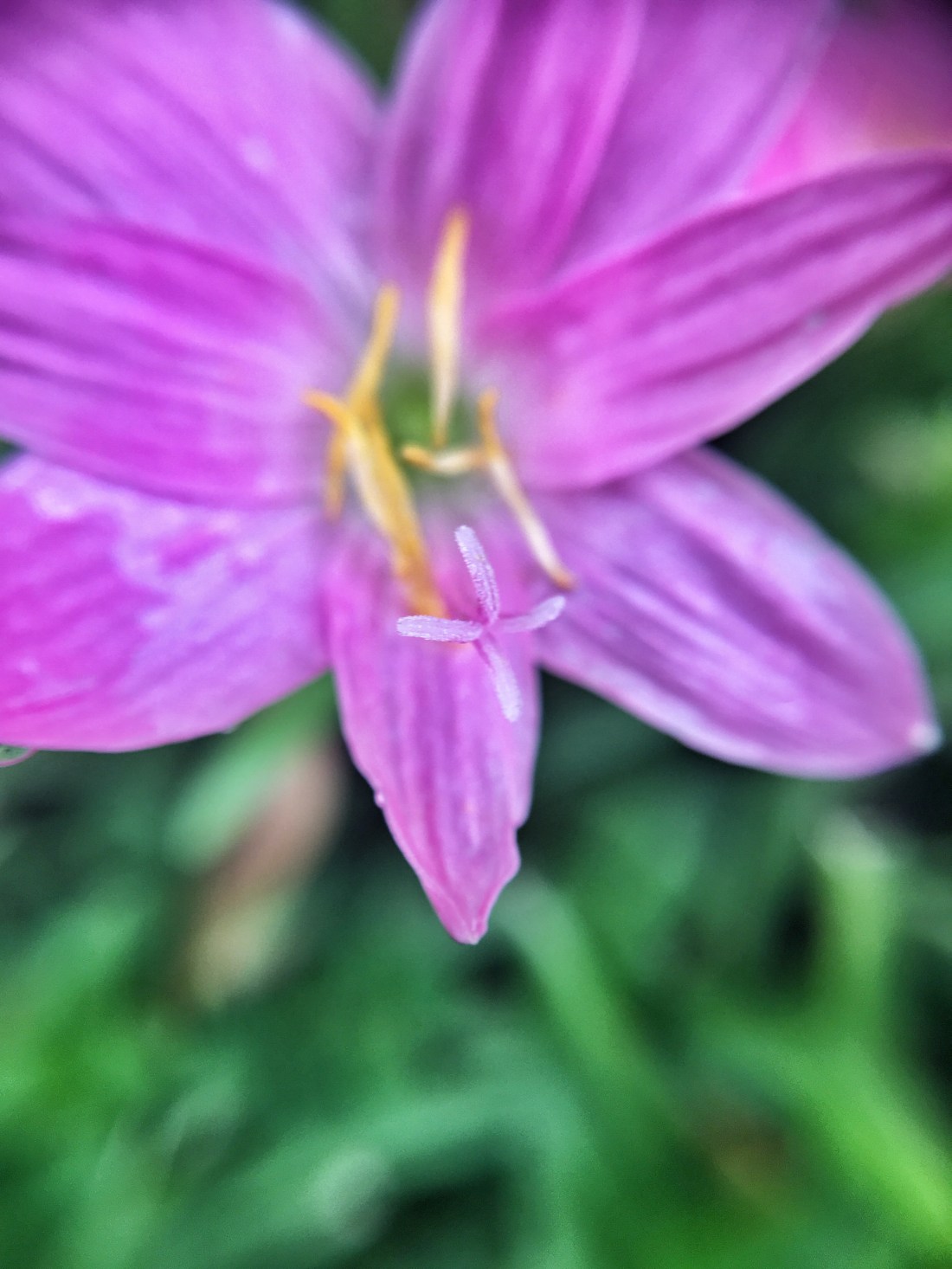
Zephyranthes rosea flower with stigma

Zephyranthes rosea flower with stamens
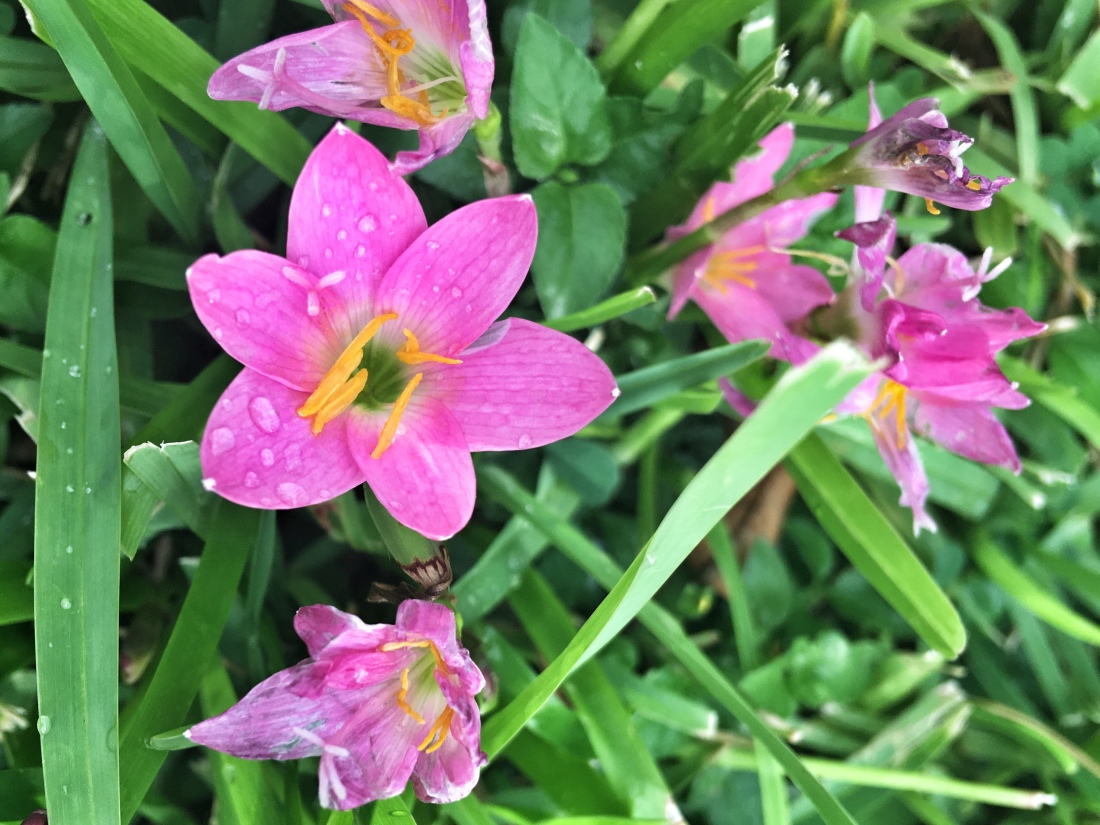
Zephyranthes rosea plants
This is actually the second time that I’ve posted this species, but this post shows shows how to identify it according to the Guide to the Vascular Plants of Florida.
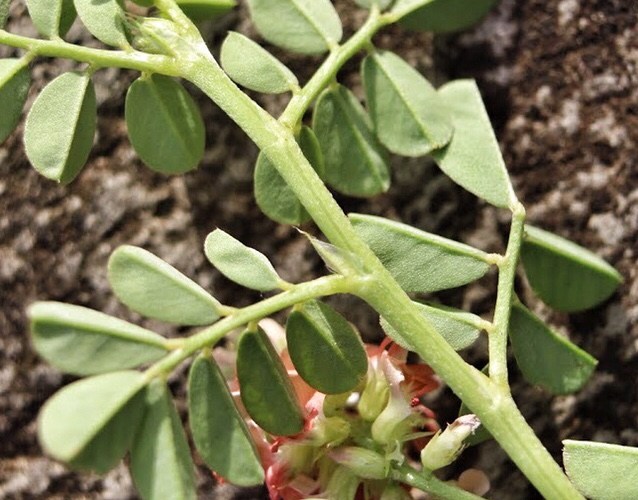
In the absence of any obvious fruit, a modest appendage saves the day.
The key difference between this species and its other Florida relatives, P. lanceolata and P. fruticosa, lies with the leaves.
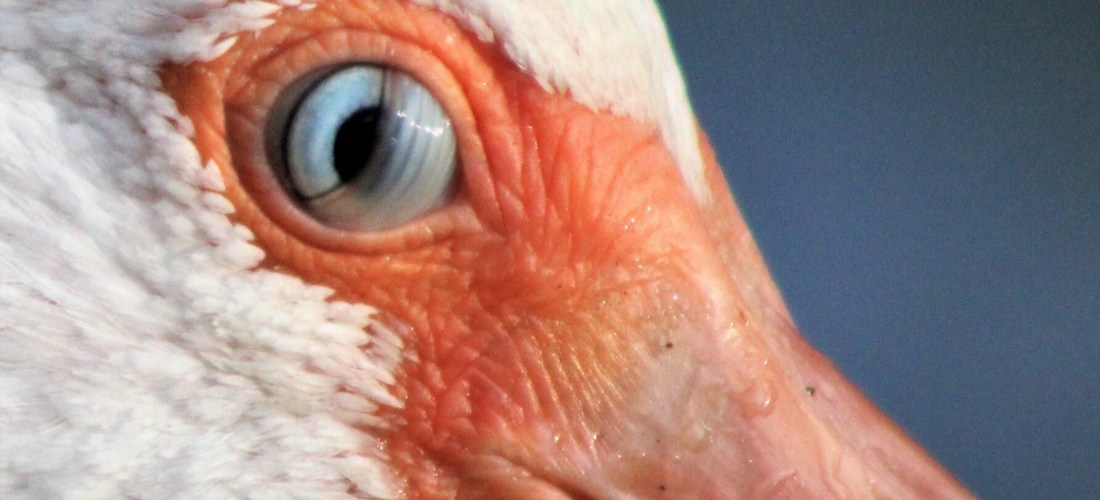
Whether you’re a bird or a human, a nap during the day is pure luxury. It only can be accomplished when there is nothing urgent to be done and when there is time to relax and shut out the world. For me, though, the best part of a nap is when I wake just enough to recognize that I am no longer sleeping and slowly become aware—but not yet a part—of the world around me. In this regard, I envy birds and their third eyelids.
 Minute Explorations